
Foundation repair cost in Austin, TX can vary widely because Central Texas homes sit on expansive clay and moisture-sensitive ground that moves through seasonal drought-to-downpour cycles. This page is a practical, location-specific pricing guide for homeowners and property managers who want to understand typical cost ranges, what drives pricing up or down, and what’s usually included in a real repair scope. The goal isn’t to throw out a single “average” number—it’s to show the cost bands that actually match how Austin foundations behave, and how different repair paths affect long-term value.
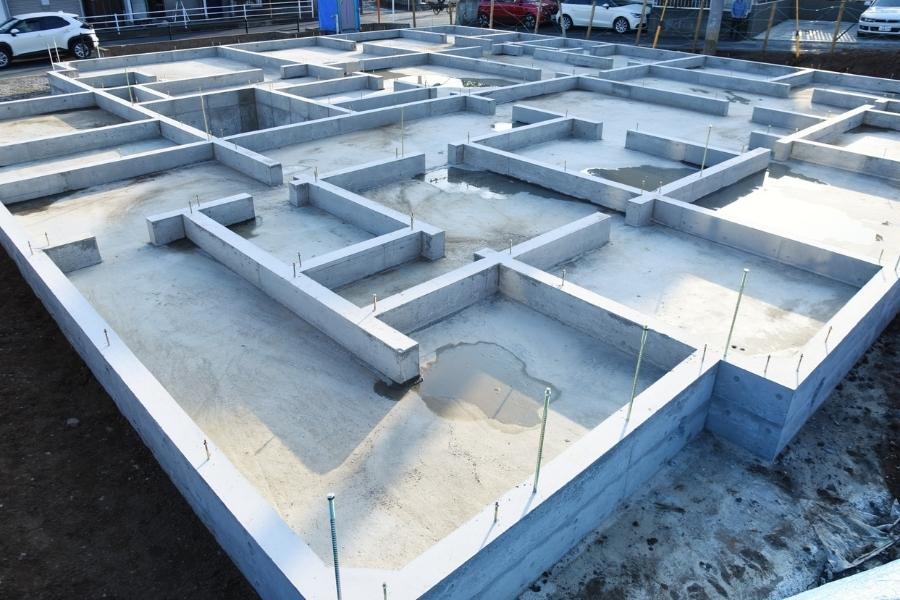
Austin’s biggest cost driver is expansive clay soil combined with fast-changing moisture conditions. Much of the metro area sits on clay-rich soils that shrink in dry periods and swell when saturated. During drought, the soil can pull away from the foundation edge and reduce support; during heavy rains, it can rehydrate and expand, pushing and shifting the structure in the opposite direction. That back-and-forth movement is why foundation issues are so common across the region over a home’s lifespan, and why two houses on the same street can need different scopes.
That soil behavior affects cost because it affects scope. When movement is active, surface-only fixes don’t last. A cosmetic patch might look clean, but if the foundation continues to settle or heave, cracks and separations often return. In Austin, pricing rises when a project needs stabilization (so the structure stops moving), moisture control (so the soil doesn’t keep cycling aggressively at the perimeter), or both. It also rises when access is tight, when landscaping or hardscape must be removed, or when a property’s foundation type demands more labor (like crawl space work).
Local expertise changes cost outcomes. When a repair plan matches Austin’s soil and moisture reality, owners usually spend less over time because they avoid repeat repairs and “surprise add-ons” that show up mid-project. A quote that ignores drainage, ignores seasonal movement, or treats all cracks like the same problem often looks cheaper upfront—but costs more after the next summer drought or storm season.
The ranges below reflect common pricing bands for the Austin metro. Exact pricing depends on the property, access, and the severity and cause of movement. A proper inspection determines which category you actually fall into.
Structural foundation repair in Austin typically costs $4,000–$18,000 depending on foundation type, the number of stabilization points needed, and whether additional work is required to prevent continued movement. Most projects include evaluation, repair planning, stabilization work (as needed), and verification steps after the repair. Costs increase when differential movement is larger, when affected areas are widespread, or when the property requires deeper stabilization due to soil behavior or site conditions.
Foundation restoration in Austin typically costs $6,000–$25,000 because it often bundles multiple scopes into one long-term solution. Restoration usually includes a mix of stabilization (if needed), concrete repair where surfaces are deteriorated, and prevention steps like moisture management to reduce repeat cracking and surface breakdown. Costs rise when the perimeter has widespread deterioration, when moisture exposure has been persistent, or when an older structure has multiple “movement zones” from additions or mixed foundation systems.
Commercial foundation repair in Austin typically costs $8,000–$50,000+ depending on slab thickness, building loads, footprint size, and staging requirements to keep operations running. Most projects include more planning and documentation, and often require scheduling constraints that raise labor costs. Pricing increases when repairs must be performed in phases, after-hours, or when heavy-duty stabilization is required for load-bearing areas.
A foundation inspection in Austin typically costs $0–$450 depending on whether it’s a basic contractor evaluation or a more formal assessment that includes detailed measurements and documentation. Most inspections include exterior and interior review, symptom mapping, and drainage observations. Costs increase when detailed elevation mapping or engineering documentation is needed for a transaction, permitting, or a complex structure.
Crawl space repair in Austin typically costs $3,500–$12,000 depending on moisture conditions, access, and whether structural supports need adjustment or reinforcement. Most projects include moisture assessment, repairs to compromised components, and moisture control recommendations. Costs rise when standing water is present, when humidity is consistently high, or when wood components show signs of deterioration risk.
Foundation patching in Austin typically costs $350–$2,500 depending on how many areas need repair and whether patching is cosmetic or part of a moisture-control plan. Most patching includes surface preparation and repair compound application. Costs increase when areas require deeper prep, bonding agents, or protective coatings because the concrete surface has been weakened by moisture exposure.
Home foundation repair in Austin typically costs $2,500–$15,000 depending on whether it’s a localized correction or broader stabilization. Most projects include evaluation, a repair scope matched to the foundation type, and targeted stabilization or support work. Pricing increases when symptoms are showing in multiple areas, when access limitations slow production, or when moisture and drainage conditions are contributing to continued movement.
Concrete foundation repair in Austin typically costs $1,500–$10,000 depending on whether you’re addressing cracking, surface deterioration, or both. Most projects include prep, crack repair method selection (based on whether movement is active), patching where needed, and recommendations to reduce moisture exposure. Costs rise when cracks are changing seasonally or when deterioration suggests ongoing moisture intrusion.
If you’re starting with symptoms instead of a diagnosis, use these categories to estimate what you’re likely dealing with.
Cracks and visible concrete damage: Minor, stable cosmetic issues often fall into a lower band and may be handled with patching or targeted concrete repair. If cracks widen seasonally, appear in multiple locations, or show up alongside other symptoms, you’re often moving into a stabilization-related scope.
Uneven floors, sticking doors, or gaps at trim: These often point to differential movement. Depending on foundation type, this can require structural adjustment, stabilization, or support correction. These scopes typically sit in a mid-to-higher band because the goal is to stop movement—not just make surfaces look better.
Moisture, musty odors, damp crawl space conditions: Moisture problems frequently require combined work: correcting how water reaches the perimeter, improving crawl space moisture control, and repairing any compromised components. When moisture is a driver, “small fixes” tend to reappear after the next heavy rain cycle.
Commercial slab issues affecting operations: Commercial scopes can escalate quickly because repairs may need to be engineered around loads, occupancy needs, and staging. Costs are often driven by access, downtime limitations, and the need for long-term performance under heavier use.
Foundation type is one of the biggest pricing variables because it changes labor, access, and repair method.
Slab foundations: Common in many Austin subdivisions, slab repairs often involve stabilization strategies for perimeter movement and differential settlement. Cost is driven by the number of stabilization points, access around the perimeter, and whether moisture conditions require added scope to prevent repeat movement.
Pier-and-beam foundations: These can be more adjustable, but crawl space access and moisture conditions are major cost drivers. When moisture has been present for long periods, scope can expand to include repairs that protect structural components and improve long-term stability.
Crawl space foundations: Crawl spaces add a moisture variable that can multiply cost. In Austin, the combination of seasonal rains and clay-driven drainage behavior can keep humidity elevated. Costs depend on whether the fix is mostly moisture control or whether structural corrections are needed too.
A real estimate should be based on how your foundation is behaving, not just what a crack looks like on the surface.
Step 1: Inspection and documentation
We evaluate symptoms, observe drainage and moisture pathways, and identify patterns that suggest active movement versus stable, cosmetic issues. In Austin, we pay close attention to seasonal indicators and perimeter water behavior because they often predict whether repairs will hold.
Step 2: Scope options that fit the property
We outline repair options based on foundation type and severity. When helpful, we separate “must-do” items from “nice-to-do” items so you can budget without sacrificing long-term performance.
Step 3: Clear written estimate
A good estimate spells out what’s included, what could change if hidden conditions are found, and what the timeline looks like. This is where you can compare scope quality—not just price.
Step 4: Completion and guidance
After repairs, verification and prevention guidance matter in Austin because soil moisture cycles can continue to stress a foundation. The best repairs include a plan to reduce repeat movement drivers.
Foundation conditions vary across the metro based on soil depth, drainage pathways, building age, and lot grading patterns. Round Rock often features large subdivision slabs where differential movement can show up across similar construction eras, but access and perimeter drainage design influence scope. Pflugerville properties can experience cost variation based on how storm runoff moves across lots and whether perimeter saturation persists after heavy rains. Georgetown has a mix of older and newer builds where access, additions, and slope can influence both repair method and labor time. Cedar Park can see cost shifts depending on terrain transitions and how water is routed away from the home, especially where lots push runoff toward foundations.
Many owners choose financing when a project combines stabilization with moisture control or crawl space work, because bundling the right scope usually costs less than paying for repeat repairs later. The safest way to budget is to start with a written estimate that clearly separates what’s essential from what’s optional. That clarity prevents you from financing a patch that looks good short-term but fails after another seasonal cycle.
Emergency situations often cost more due to after-hours labor, immediate mobilization, and temporary stabilization materials. In Austin, emergencies are commonly driven by sudden water events (like a plumbing leak saturating soil), fast-developing floor drops, or severe moisture conditions in a crawl space. Addressing the issue early—before structural components are impacted—usually keeps emergency costs from snowballing.
When you compare quotes in Austin, the most important question is whether the scope matches the cause. A quote that doesn’t account for moisture and drainage patterns may look cheaper but can lead to repeat cracking and repeated repairs. A better quote explains why the repair method fits the foundation type, why the scope is sized the way it is, and what steps prevent the issue from returning.
At some point in the process, many homeowners also realize they need a qualified foundation repair contractor who understands how Austin’s soil and seasonal patterns influence long-term results—not just a surface-level repair plan.
Schedule an inspection if you notice cracks that widen over time, doors that suddenly won’t latch, floors that feel uneven, or recurring moisture issues in a crawl space. If you’re seeing multiple symptoms at once, it’s a sign the issue may be connected to deeper foundation probems rather than a single isolated defect. Many owners also prefer to get a professional evaluation before listing a property, after a major storm season, or after an extended drought.
If you’re comparing contractors, prioritize clarity: scope details, what’s included, and how the plan addresses Austin’s soil-and-moisture cycle. That’s what keeps repair costs predictable and prevents repeat work.
As you review your options, you’ll also want to look at whether the scope includes long-term protection steps and whether the team offers full foundation repair services that address the source of movement—not just the visible symptom.
Provide your name, phone number, and any specific service requirements.