
Crawl Space Repair in Austin, TX
Crawl space repair in Austin, TX is essential for protecting homes and buildings from the moisture, soil movement, and seasonal extremes that affect structures across Central Texas. A crawl space is the narrow, accessible area beneath a home that supports the floor system, foundation beams, piers, plumbing, and HVAC lines. In Austin’s climate—especially in neighborhoods like West Lake Hills and Rollingwood—crawl spaces experience elevated humidity, clay soil movement, and drainage challenges that can weaken structural components over time.
Understanding Crawl Space Repair
Our team provides expert foundation solutions for all crawl space conditions across Austin’s diverse soil and climate challenges.
A crawl space is typically found beneath pier-and-beam and older raised-foundation homes built throughout Austin from the 1930s through the early 1990s. These spaces allow access to plumbing, HVAC, and electrical systems, while supporting the home’s floor framing. Unlike slab foundations, crawl spaces are more vulnerable to moisture, ventilation issues, and soil expansion—especially in Central Texas. Many of these issues also relate directly to Structural Foundation Repair, one of the key services our team performs regularly.
Historical Context in Austin
During Austin’s development boom between the 1940s and 1970s, pier-and-beam homes with crawl spaces were widely constructed in areas like Barton Creek, Sunset Valley, and Oak Hill due to uneven terrain, cost efficiencies, and the need to elevate homes above the region’s expansive clays. By conservative estimates, nearly 30–40% of pre-1990 homes in Austin rely on crawl space foundations. Many of these original structures still exist today and often show signs of aging, making them frequent candidates for Foundation Restoration and comprehensive foundation solutions.
Why Crawl Spaces Are Common in Austin
Austin sits on the Blackland Prairie’s Taylor and Houston Black Clay formations—both highly expansive montmorillonite clays that swell significantly when wet and shrink aggressively during drought cycles. Homes built with crawl spaces avoided some of the soil movement impacting slab foundations, but they also introduced moisture challenges, ventilation problems, and structural deterioration from Austin’s humidity. This is why Foundation Inspection remains a critical component of maintaining these older structures.
Advantages of Crawl Space Foundations
Easy access for plumbing, HVAC, and electrical repairs
Quicker construction on sloped lots (common in West Austin)
Flexibility for future remodeling
Elevated design helps with drainage
Our team often recommends crawl space foundation solutions because they allow rapid access during Commercial Foundation Repair or residential structural adjustments.
Disadvantages in Austin’s Climate
High humidity penetration
Frequent wood rot and fungal decay
Standing water due to sudden storms
Pest intrusion
Structural sagging from inadequate or aging piers
Soil moisture cycles pulling support posts out of alignment
Because Austin’s soil and climate amplify moisture problems, crawl space repair and related foundation solutions are among the most needed services in the region.
Why Austin Homes Need Crawl Space Repair
Our team delivers foundation solutions that address Austin’s real soil behavior, storm patterns, and long-term structural risks.
Austin has some of the most moisture-reactive soils in the U.S. Combined with drought-to-storm cycles, intense humidity, and historic extreme weather events, crawl spaces in Austin experience a unique combination of stressors. These conditions often affect both residential and Commercial Foundation Repair projects.
Below are the major Austin-specific causes:
Expansive Clay Soil Movement (Blackland Prairie Soils)
Mechanism:
Austin’s montmorillonite-rich clay (especially in areas like Pflugerville, Round Rock, and Manor) can swell up to 200–300% of its volume when saturated after major storms. During drought—such as the 2011 drought and the 2022–2023 drought cycles—this same clay shrinks dramatically, pulling away from crawl space piers and reducing soil support.
This leads to:
Settling piers
Uneven floor support
Beam sagging
Shifting support posts
Neighborhoods like Bee Cave and Lakeway experience clay depths between 6–20 feet, making professional foundation solutions essential for long-term stability.
High Humidity & Moisture Intrusion
Austin regularly reaches 70–90% humidity, especially during spring and after Gulf-fed thunderstorms. Inside crawl spaces, this moisture condenses on beams, joists, insulation, and ducting.
This causes:
Wet insulation
Mold growth
Wood rot
Pest attraction
The 2021 winter storm intensified this issue when freeze-thaw cycles cracked plumbing lines in crawl spaces across Jollyville, Dripping Springs, and Hudson Bend. Many of these homes required a full Foundation Inspection and moisture remediation.
Poor Drainage & Sudden Storm Surges
Austin’s limestone shelves and clay soils promote water pooling. Sudden storms can drop 2–6 inches of rain in under an hour, forcing water into crawl spaces—especially in older neighborhoods like Rollingwood and Lost Creek.
Standing water accelerates:
Wood decay
Structural weakening
Strong odors
Termite activity
Our team frequently integrates drainage corrections with broader foundation solutions for these homes.
Tree Moisture Extraction
Local tree species—live oaks, cedar elms, Ashe junipers—pull 50–150 gallons of water per day from the soil. In West Lake Hills and Barton Creek, this creates moisture imbalances beneath pier-and-beam homes.
These situations commonly lead to structural shifts that require Structural Foundation Repair or Foundation Restoration.
Signs You Need Crawl Space Repair in Austin, TX
Our team highlights the most common warning signs so homeowners know when to request expert foundation solutions.
Interior Signs
Bouncy, soft, or uneven floors
Floors sagging near the center of the home
Doors sticking or not closing
Musty odors entering living spaces
Cold floors in winter
Crawl Space Signs
Standing water or wet soil
Mold or mildew on joists
Condensation on ducts
Rodent or pest activity
Falling insulation
Rotted beams
Sinking or leaning piers
Urgent Signs (Call Immediately)
Visible wood rot
Structural collapse risks
Plumbing leaks
Electrical hazards
Widespread mold
These signs are strong indicators that a full Foundation Inspection and corrective foundation solutions are necessary.
How We Perform Crawl Space Repair in Austin, TX
Our team follows proven, engineering-driven foundation solutions tailored to Austin’s soil, moisture, and climate realities.
Step 1: Comprehensive Crawl Space Inspection
Timeline: 1–2 hours
We analyze soil movement, moisture levels, framing integrity, drainage issues, HVAC condensation, insulation, and ventilation. Many homes transition from this step directly into Structural Foundation Repair or moisture control solutions.
Step 2: Moisture Source Identification
Timeline: Same day
We evaluate drainage, gutters, plumbing, stormwater intrusion, groundwater behavior, and HVAC issues. Soil expansion patterns differ across the city, requiring tailored foundation solutions.
Step 3: Structural Reinforcement
Timeline: 1–3 days
We repair sagging joists, replace deteriorated beams, and reset or replace piers. These repairs often overlap with Foundation Restoration or Commercial Foundation Repair for business properties.
Step 4: Crawl Space Waterproofing
Timeline: 1–2 days
Includes drainage channels, sump pumps, dehumidifiers, and vapor barrier installation.
Step 5: Crawl Space Encapsulation
Timeline: 2–4 days
We seal the crawl space and condition the air using equipment designed for the Texas climate.
Step 6: Final Quality Check
We confirm structural alignment, moisture control, and long-term performance.
Crawl Space Repair Methods
Our team uses proven foundation solutions to stabilize, dry, and protect Austin crawl spaces.
1. Crawl Space Encapsulation
Best for: High-humidity areas like Lakeway & Sunset Valley
Cost: $6,000–$22,000
2. Vapor Barrier Installation
Controls ground moisture
Cost: $1,500–$4,500
3. Crawl Space Waterproofing
Sump pumps, drains, grading fixes
Cost: $3,000–$10,000
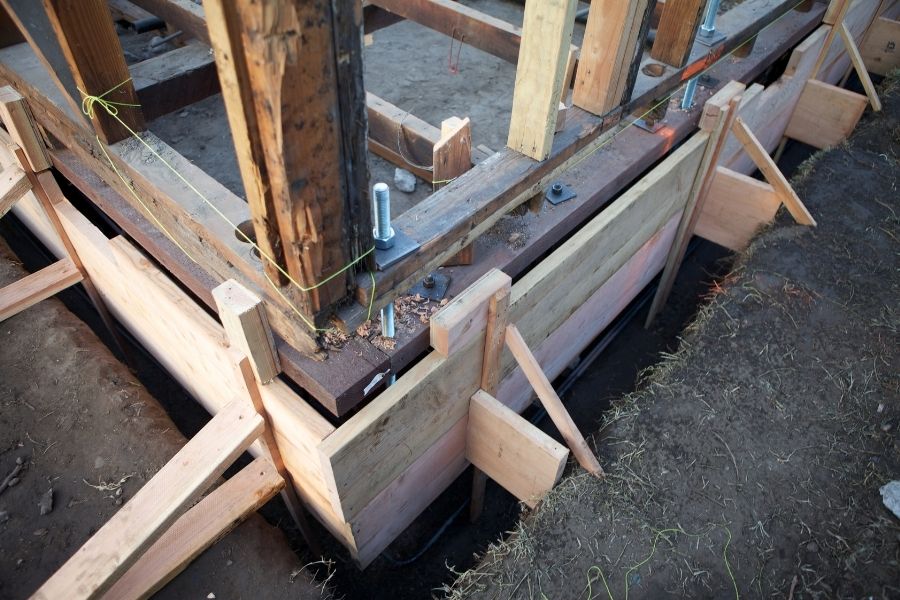
4. Structural Beam & Joist Repair
Restores failing floor structures
Cost: $2,500–$15,000+
5. Support Pier Installation
Stabilizes floors
Cost: $350–$750 per pier
All methods fall under our complete suite of foundation solutions offered for both homes and commercial buildings.
Why Austin Property Owners Choose Austin Expert Foundation Repair
Locally owned & family-run
Deep knowledge of Austin’s Blackland Prairie soils
Specialists in crawl space moisture, drainage, and structural repair
Advanced humidity and soil measurement tools
Lifetime warranties on many services
Trusted by homeowners, commercial clients, and historic property owners
Over a decade of experience with Austin’s climate patterns
Your crawl space repair is handled by professionals who understand the exact environmental pressures affecting your home.
Read what satisfied clients across Austin say about our crawl space repair services, moisture solutions, structural repairs, and encapsulation work.
Trustindex verifies that the original source of the review is Google. Great Service!!Trustindex verifies that the original source of the review is Google. Quick and fast i reccomend thisGoogle rating score: 5.0 of 5, based on 7 reviews
How long does structural foundation repair take?
Most projects take 3–7 days, depending on structural damage and whether encapsulation is required.
How much does crawl space repair cost in Austin?
Most homeowners spend $3,500–$22,000 depending on moisture levels, structural damage, soil conditions, and drainage needs.
Can I stay in my home during the repair?
Yes. Most crawl space work occurs outside your living area with minimal disturbance.
Why do Austin homes have so many crawl space issues?
Austin’s expansive clay soils, high humidity, extreme droughts, and sudden storms create the perfect environment for moisture intrusion, wood rot, and pier failure.
Do I need encapsulation or just a vapor barrier?
A vapor barrier helps with ground moisture. Encapsulation is recommended when humidity, mold, or air quality problems are present.
If you’re noticing moisture, sagging floors, wood rot, or musty odors, now is the time to act. Austin Expert Foundation Repair provides free inspections, detailed crawl space assessments, and customized repair plans for homes and buildings across Austin and every surrounding neighborhood.
Call us today to protect your home’s foundation and ensure long-term safety and stability.
We proudly serve West Lake Hills, Lakeway, Rollingwood, Bee Cave, Cedar Park, Round Rock, and every area of Austin, TX.