
Gaps Between Walls and Floors in Austin, TX: Causes, Signs & Solutions
Gaps between walls and floors in Austin, TX affect an estimated 60–75% of homes at some point, often appearing as visible separations along baseboards, cracks where flooring meets drywall, or spaces forming between interior walls and ceilings. In Austin, Taylor Black Clay soil, limestone bedrock transitions, extreme summer droughts, and sudden heavy rainstorms create soil movement that causes foundations to settle or heave — leading directly to gaps between walls and floors in slab foundations and pier-and-beam homes. While these gaps can look alarming, they’re actually one of the most common early warning signs of foundation movement in Central Texas — and they’re absolutely repairable.
What Are Gaps Between Walls and Floors?
Gaps between walls and floors appear when the home’s framing and foundation move out of alignment. Since walls and floors are built rigidly together, even small structural movement creates visible separation.
What homeowners typically see
Baseboards pulling away from flooring
Cracks along the floor-wall seam
Spaces you can slide a coin into
Uneven or sloping floors
Light visible under trim
In Austin homes, these gaps most often show up:
Along exterior walls
Near corners
Around doorways
In living rooms and garages
Common types
Type 1 – Hairline separation
Tiny seasonal gaps under 1/8 inch. Often cosmetic.
Type 2 – Progressive gaps
Growing separation 1/8–1/4 inch. Indicates ongoing settlement.
Type 3 – Structural separation
Wide gaps, sloping floors, cracked drywall. Signals foundation movement.
How it develops
Clay soil shrinks → foundation settles unevenly → framing twists → walls lift or floors drop → gaps form.
What looks like a trim issue is usually a foundation issue underneath.
Why Austin Homes Get Gaps Between Walls and Floors
The Austin Connection: Expansive Clay Soil & Foundation Movement
Primary Cause: Taylor Black Clay Soil (Expansive Montmorillonite Clay)
Austin sits on the Blackland Prairie, dominated by Taylor and Houston Black clay soils. These soils contain montmorillonite minerals, which dramatically expand and contract with moisture changes.
Measurements show:
Up to 30% shrinkage during drought
Several inches of vertical swelling when saturated
Active soil zone reaching 10–20 feet deep
This means foundations are constantly riding on moving ground.
The mechanism
Summer drought → clay dries → soil contracts → voids form beneath slab → foundation loses support → slab drops unevenly → floors slope → walls separate → gaps appear
Then:
Heavy rain → clay swells → foundation heaves → opposite stress → repeated distortion
Because movement isn’t uniform, one part of the house may sink while another remains stable. That creates “differential settlement,” twisting framing and pulling walls away from floors.
Austin-specific evidence
2011 record drought caused widespread foundation settling
2021 freeze followed by heavy rain intensified soil shifts
2022–2023 extreme heat waves repeated shrink cycles
East Austin and Round Rock have clay 20+ feet deep
West Austin shows mixed clay/limestone zones causing uneven support
Homes built 1960–2000 with slab foundations are most affected, along with older pier-and-beam homes from Georgetown and Buda.
Secondary Cause: Tree Moisture Extraction
Large live oaks and cedar elms can pull 100+ gallons of water daily, drying soil on one side of foundations and causing uneven settlement.
Secondary Cause: Drainage Problems
Improper grading or short downspouts saturate one side of the home during storms, causing heave and separation.
Signs of Gaps Between Walls and Floors in Austin Homes
Early warning signs
Small baseboard separation
Minor drywall cracks
Slight floor slope
Seasonal changes
Advanced symptoms
Gaps wider than ¼ inch
Doors sticking
Windows won’t close
Diagonal wall cracks
Uneven floors
Austin seasonal patterns
In Austin, gaps between walls and floors typically worsen late summer (August–October) after prolonged drought. Some gaps shrink during winter rains but reopen each summer.
Round Rock, Cedar Park, and Leander homeowners commonly notice these issues first.
When to inspect
After summer drought
After heavy rainfall
Before home sale
Annually in fall
When Are Gaps Between Walls and Floors Serious?
Minor (Monitor)
Under 1/8 inch
Seasonal only
No other symptoms
Action: monitor yearly
Moderate (Schedule repair)
1/8–1/4 inch
Expanding over time
Doors/windows affected
Action: professional inspection recommended
Severe (Immediate attention)
Over 1/4 inch
Sloping floors
Multiple cracks
Rapid growth
Action: call immediately
Active vs Stable
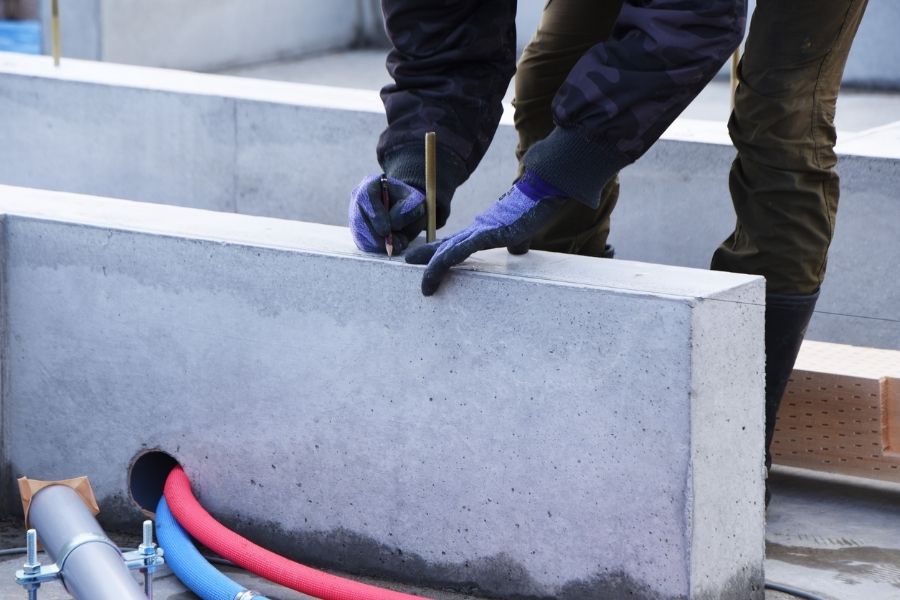
Mark gap edges with pencil and date. If it widens, movement is active.
Customers Reviews
Trustindex verifies that the original source of the review is Google. Great Service!!Trustindex verifies that the original source of the review is Google. Quick and fast i reccomend thisGoogle rating score: 5.0 of 5, based on 7 reviews
How to Fix Gaps Between Walls and Floors in Austin
Slab Repair
Steel or concrete piers installed beneath slab to stabilize soil movement and re-level floors.
Best for modern slab homes across Austin suburbs.
Pier-Beam Repair
Shimming, pier replacement, and beam reinforcement correct sagging floors in older homes.
Common in Georgetown and Buda.
Settling & Releveling
Targeted adjustments lift low sections and restore alignment.
Professional Assessment
Austin Expert Foundation Repair provides free inspections to determine soil conditions, elevation changes, and best repair strategy.
DIY vs Professional
Caulking gaps only hides symptoms. Without foundation stabilization, separation returns.
Preventing Gaps Between Walls and Floors
Water soil evenly during drought
Maintain gutters and drainage
Keep trees 15–20 feet away
Check for plumbing leaks
Inspect foundation annually
Avoid overwatering one side
Seasonal tips
Summer: maintain moisture
Fall: inspect
Spring: check drainage
Winter: monitor changes
Consistency reduces soil stress.
Gaps Between Walls and Floors Repair Cost in Austin
Typical ranges:
Minor repairs: $500–$1,500
Moderate stabilization: $3,000–$8,000
Major structural work: $8,000–$20,000+
Austin cost factors
Soil depth
Pier depth requirements
Home size
Accessibility
Austin Expert Foundation Repair provides free estimates and financing options.
Gaps Between Walls and Floors in Austin Neighborhoods
Round Rock
Deep clay leads to slab settlement.
Cedar Park
Tree-heavy lots cause uneven drying.
Leander
Rapid new construction on untreated soil.
Georgetown
Older pier-and-beam homes prone to sagging floors.
If you live in these areas, annual monitoring is recommended.

Are gaps between walls and floors serious?
Small seasonal gaps may be cosmetic, but growing gaps usually indicate foundation movement.
What causes gaps in Austin homes?
Expansive clay shrink-swell cycles shift foundations, pulling walls and floors apart.
How much does repair cost?
Anywhere from $500 to $20,000+ depending on severity.
Should I repair immediately?
If gaps are widening or paired with cracks or sloping floors, yes.
Will it get worse?
Without stabilization, soil cycles typically worsen separation.
When to Call for Gaps Between Walls and Floors Inspection
Schedule a professional foundation inspection if you notice widening baseboard gaps, sloping floors, drywall cracks, or doors and windows sticking. Austin Expert Foundation Repair provides free, no-obligation inspections throughout Austin, identifies the underlying soil and foundation causes, and delivers long-term stabilization solutions that restore level, secure floors. Don’t wait for small gaps to become structural problems — book your free inspection today.