
Slab Leak in Austin, TX: Causes, Signs & Solutions
A slab leak in Austin, TX occurs when plumbing lines beneath a concrete slab foundation break, corrode, or shift, allowing water to leak into the soil below the home. Homeowners often first notice unexplained water bills, damp floors, warm spots on concrete, or cracks forming in the slab. In Austin, Taylor Black Clay soil and extreme seasonal weather patterns create conditions that make slab leaks especially common—and especially damaging when left unresolved. Slab leaks affect a significant portion of Austin-area homes built on slab foundations, particularly those constructed between the 1960s and early 2000s. While a slab leak can be disruptive and concerning, it is a solvable problem when addressed early. Understanding how slab leaks develop, why Austin homes are especially vulnerable, and what warning signs to watch for helps homeowners take action before leaks undermine the foundation itself. Austin Expert Foundation Repair has repaired slab-related foundation damage across Austin and surrounding communities for many years, with deep knowledge of how local soil, climate, and plumbing systems interact to create this issue.
What Are Slab Leaks?
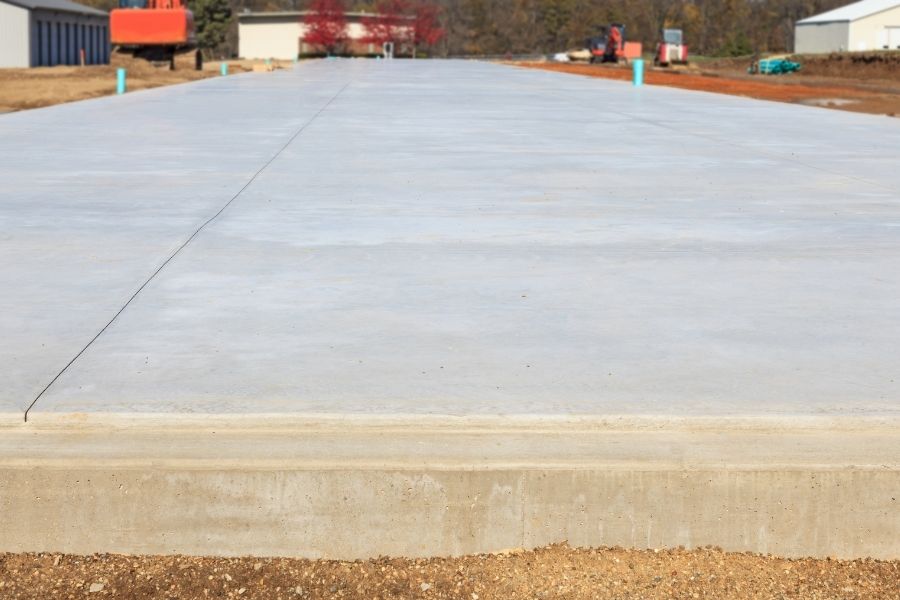
Slab leaks are water leaks that occur in plumbing pipes embedded in or running beneath a concrete slab foundation. Because the pipes are hidden, leaks often go unnoticed until they begin affecting the home’s structure. In Austin homes, slab leaks commonly develop in water supply lines or sewer lines that run below the slab.
Common Types of Slab Leaks
Pressurized water line leaks
These leaks occur in supply lines and often cause sudden increases in water bills, warm spots on floors, or the sound of running water when fixtures are off.
Drain or sewer line leaks
These develop more gradually and often cause soil erosion beneath the slab, leading to settlement and cracking over time.
Pin-hole or corrosion leaks
Older copper pipes can corrode, especially in Austin’s soil conditions, creating slow leaks that undermine foundation support.
How Slab Leaks Develop
Slab leaks typically begin small, but as water continuously flows into the soil, it washes away or softens the supporting ground. Over time, this leads to foundation undermining, slab settlement, or heaving, depending on moisture distribution.
Why Austin Homes Get Slab Leaks
Primary Cause: Taylor Black Clay Soil & Climate Stress
Austin sits on the Blackland Prairie, where Taylor–Austin Black Clay dominates the subsurface. This expansive montmorillonite clay can shrink up to 30% during drought and swell significantly when saturated. The active soil zone extends 10–15 feet below ground, with eastern areas such as Pflugerville and Round Rock reaching depths of 20+ feet.
The Slab Leak Damage Mechanism
The process that links slab leaks to foundation damage in Austin follows a distinct chain:
Pipe stress from soil movement → pipe failure beneath slab → continuous water release → soil erosion or saturation → foundation undermining and settlement
During major droughts—especially 2011, 2022, and 2023—Austin’s clay soil dries, shrinks, and shifts. This movement places stress on rigid plumbing lines beneath slabs. Pipes crack, joints separate, or corrosion accelerates. Once a leak begins, escaping water alters soil conditions dramatically.
Instead of supporting the slab evenly, the soil becomes either eroded (washed away) or overly saturated. Eroded soil creates voids, causing the slab to sink. Saturated clay expands, potentially causing localized slab heaving. This uneven support leads to slab cracks, differential settlement, and structural stress.
Austin-Specific Evidence
Round Rock & Georgetown: Older slab homes experience corrosion-related leaks
Pflugerville: Deep clay amplifies soil erosion beneath slabs
Kyle & Buda: Drainage challenges worsen leak-related settlement
Freeze event impact: The February 2021 freeze caused pipe failures that later developed into slab leaks months afterward
Secondary Causes of Slab Leaks
Aging Plumbing Systems
Homes built between the 1960s–1990s often have copper piping nearing the end of its lifespan.
Poor Drainage & Water Pressure
High water pressure and inadequate drainage increase stress on pipes and soil beneath slabs.
Signs of Slab Leaks in Austin Homes
Early Warning Signs
Unexplained spike in water bills
Warm or damp spots on floors
Sound of running water when fixtures are off
Reduced water pressure
Advanced Symptoms
Cracks forming in slab or flooring
Uneven or sinking floors
Mold or musty odors
Foundation cracks or wall separation
Austin Seasonal Patterns
Slab leaks often appear after summer drought or following freeze events. In Austin, leaks frequently worsen during dry seasons when soil movement is highest.
Inspect your home after drought, freezing weather, or sudden plumbing issues.
When Are Slab Leaks Serious?
Minor (Monitor Closely)
Small leaks with no visible structural impact
Early detection through water usage monitoring
Moderate (Schedule Repair)
Persistent moisture under floors
Early slab cracks or slight settlement
Severe (Immediate Action)
Rapid foundation movement
Cracks wider than 1/4 inch
Significant slab settlement or heaving
Active vs. Stable:
Ongoing moisture, worsening cracks, or increasing floor slope indicate active damage requiring immediate attention.
Slab Leaks in Austin-Area Neighborhoods
Round Rock & Georgetown
Older slab homes with aging copper pipes experience higher leak rates.
Pflugerville
Deep clay increases soil erosion beneath slabs once leaks begin.
Kyle & Buda
Drainage challenges amplify settlement from leaking pipes.
Homes in these areas benefit from regular leak detection and foundation monitoring.
Trustindex verifies that the original source of the review is Google. Great Service!!Trustindex verifies that the original source of the review is Google. Quick and fast i reccomend thisGoogle rating score: 5.0 of 5, based on 7 reviews
How to Fix Slab Leaks in Austin, TX
Slab Repair
Once the leak is repaired, slab stabilization may be needed to address settlement or cracking.
Concrete Contractor Services
Damaged slab sections may require removal, repair, and replacement after leak resolution.
Emergency Repair
Active slab leaks causing rapid foundation damage require immediate response to stop water flow and prevent soil loss.
Foundation Inspection
A comprehensive inspection determines whether the slab leak has caused structural damage.
Professional Assessment Is Essential
In Austin, slab leaks rarely exist in isolation. Proper diagnosis ensures both the leak and resulting foundation damage are addressed together.
Preventing Slab Leaks in Austin Homes
Monitor water bills monthly
Maintain consistent soil moisture during drought
Address plumbing issues immediately
Improve drainage around foundation
Schedule periodic plumbing and foundation inspections
Prevention reduces risk but cannot eliminate slab leaks in aging plumbing systems.
Slab Leak Repair Cost in Austin, TX
Minor leak repair: $1,500–$3,000
Moderate repairs with slab work: $3,000–$6,000
Major repairs with foundation stabilization: $6,000–$12,000+
Costs vary based on pipe location, slab thickness, and extent of foundation damage. Early detection significantly reduces costs.
When to Call for Slab Leak Inspection
Schedule a professional inspection if you notice:
Unexplained water bill increases
Warm or damp floors
New slab or foundation cracks
Uneven or sinking floors
Austin Expert Foundation Repair provides free, no-obligation foundation inspections throughout Austin. Our team identifies slab leaks, evaluates foundation impact, and recommends solutions tailored to Austin’s soil and climate.

Are slab leaks dangerous to my foundation?
Yes. Slab leaks can undermine soil support, leading to slab settlement, cracking, and long-term structural damage if untreated.
What causes slab leaks in Austin homes?
Soil movement from expansive clay, aging plumbing, high water pressure, and freeze damage are primary causes.
Will a slab leak get worse over time?
Almost always. Continuous water flow accelerates soil erosion and foundation damage.
Does insurance cover slab leaks in Austin?
Some policies cover access and plumbing repair, but foundation damage coverage varies.
Can I live in my home during slab leak repair?
In many cases, yes—though temporary water shutoffs may be required.
Should slab leaks be repaired immediately?
Yes. Delaying repair allows soil erosion and structural damage to worsen rapidly.
A slab leak in Austin rarely resolves on its own. Because expansive clay soil reacts aggressively to moisture changes, leaks beneath slabs often lead directly to foundation settlement or heaving. The most effective next step is a professional inspection that identifies both the leak and any resulting structural damage. Austin Expert Foundation Repair offers free slab leak and foundation inspections designed for Central Texas homes.