
Bowing Foundation Wall in Austin, TX: Causes, Warning Signs & Repair Options
Bowing foundation wall in Austin, TX is a serious structural issue that affects many homes built on expansive Central Texas soil. Homeowners often first notice walls that appear curved, leaning inward, or developing horizontal cracks. In Austin, Taylor Black Clay soil, combined with intense rainfall cycles and long drought periods, creates powerful lateral pressure against foundation walls—pressure strong enough to push concrete and masonry walls inward over time. Bowing foundation walls are most common in homes with slab-on-grade foundations, stem walls, crawl spaces, or partial basements, particularly in properties built before modern soil engineering standards were common. While a bowing wall can look alarming, it is important to know that this problem is well understood and highly repairable when addressed early. Austin Expert Foundation Repair has helped homeowners throughout Austin and surrounding communities diagnose and repair bowing foundation walls by addressing both structural damage and the underlying soil conditions that cause it.
What Is a Bowing Foundation Wall?
A bowing foundation wall occurs when a foundation wall bends inward due to sustained lateral pressure from surrounding soil. Unlike simple cracking, bowing indicates that the wall is being actively pushed and is no longer holding its original vertical alignment.
How Bowing Foundation Walls Appear in Austin Homes
Homeowners typically observe:
Walls that curve inward at the center
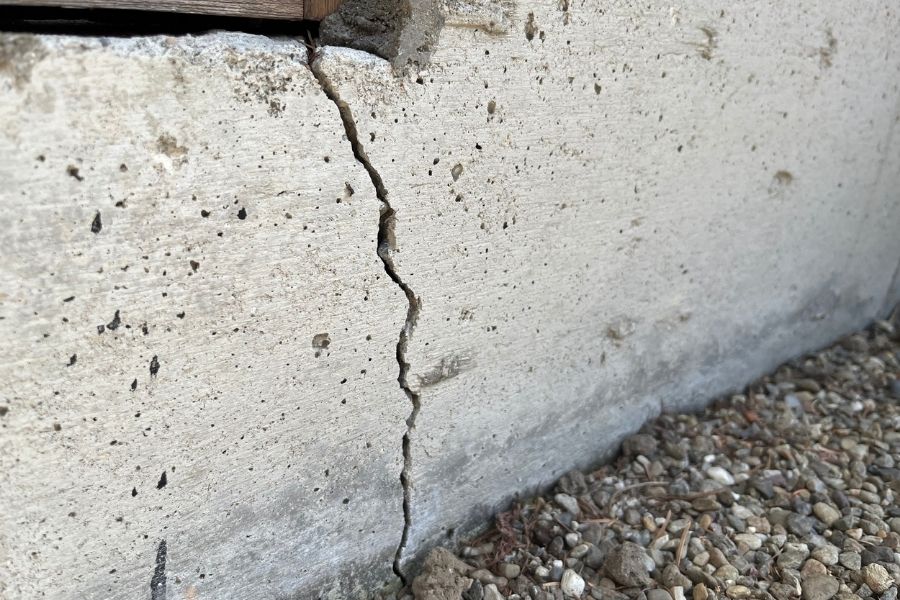
Horizontal or stair-step cracks along concrete or masonry walls
Gaps forming between walls and floors or ceilings
Doors and windows near affected walls sticking or shifting
Visible separation between foundation walls and framing
These signs often worsen gradually, making them easy to overlook until the damage becomes more obvious.
Types of Bowing Foundation Wall Damage
Minor wall deflection
Small inward movement (often under 1 inch) that may remain stable for a time but signals underlying pressure.
Moderate bowing
Noticeable curvature with cracking, indicating increasing soil pressure and weakening wall integrity.
Severe bowing or wall failure risk
Significant inward movement, large horizontal cracks, or wall sections shifting—this requires immediate structural repair.
How Bowing Develops Over Time
Bowing foundation walls rarely occur suddenly. Instead, they progress over months or years as soil repeatedly expands and contracts, applying constant pressure until the wall begins to deform.
Why Austin Homes Experience Bowing Foundation Walls
Expansive Taylor Black Clay Soil and Lateral Soil Pressure
Austin sits atop the Blackland Prairie, dominated by Taylor–Austin Black Clay, an expansive soil rich in montmorillonite. This clay can swell dramatically when wet and shrink by up to 30% during drought, creating powerful horizontal pressure against foundation walls. The active clay zone typically extends 10–15 feet below ground, with deeper deposits in eastern areas like Pflugerville and Georgetown, often exceeding 20 feet.
The Moisture Cycle That Pushes Walls Inward
The mechanism behind bowing foundation walls in Austin follows a predictable pattern:
Heavy rain or plumbing leaks → clay absorbs water and expands → lateral soil pressure builds → foundation wall resists pressure → wall slowly bows inward
After prolonged droughts, Austin’s clay soil becomes hard and compacted. When rain returns—especially during spring storms—the clay rapidly rehydrates and expands. Because foundation walls are rigid, they absorb this pressure, leading to cracking and bowing rather than flexible movement.
Austin-Specific Evidence and Conditions
Round Rock & Georgetown: Deep clay layers exert strong lateral pressure
Cedar Park & Leander: Mixed clay-limestone zones cause uneven wall loading
Buda & Kyle: Drainage challenges increase sustained soil saturation
Weather history: Post-drought rain events following 2011, 2022, and 2023 droughts led to increased reports of bowing walls across Central Texas
Secondary Cause: Poor Drainage and Hydrostatic Pressure
Improper grading, clogged gutters, or downspouts discharging near foundations allow water to pool along walls. This creates hydrostatic pressure, significantly increasing inward force on foundation walls.
Secondary Cause: Plumbing Leaks and Saturated Backfill
Leaking water lines behind or beneath walls oversaturate soil, concentrating pressure in localized areas and accelerating wall movement.
Signs of a Bowing Foundation Wall in Austin, TX
Early Warning Signs Homeowners Often Miss
Thin horizontal cracks forming mid-wall
Slight inward curvature detectable with a straight edge
Minor gaps between walls and interior finishes
Progressive Structural Symptoms
Cracks widening beyond 1/4 inch
Walls visibly leaning inward
Floors or ceilings pulling away from walls
Windows or doors near affected walls no longer align
Seasonal Patterns That Make Bowing Worse in Austin
Bowing foundation walls in Austin often worsen after heavy spring rains or prolonged wet periods following summer droughts. Homes in Round Rock, Pflugerville, and Kyle commonly experience accelerated movement during these cycles.
Inspect foundation walls after major storms and at the end of wet seasons.
How Serious Is a Bowing Foundation Wall?
Minor Wall Movement (Monitor Carefully)
Inward movement under 1 inch
Hairline horizontal cracking
No progression over multiple seasons
Moderate Bowing (Schedule Repair)
Visible curvature
Cracks reopening or growing seasonally
Common in slab and stem wall foundations
Severe Bowing (Immediate Attention)
Movement exceeding 1–2 inches
Structural cracking or wall separation
Risk of partial wall failure
Active vs. Stable Movement
Mark cracks and measure wall deflection over time. Continued movement indicates active pressure requiring intervention—Austin’s soil rarely stabilizes without repair.
When to Call for a Bowing Foundation Wall Inspection in Austin
Schedule a professional inspection if you notice:
Horizontal wall cracks
Walls leaning or curving inward
Gaps between walls and floors
Doors or windows shifting near foundation walls
Austin Expert Foundation Repair offers free, no-obligation inspections throughout Austin. Our specialists evaluate wall movement, identify soil and moisture issues, and recommend proven repair strategies.
Trustindex verifies that the original source of the review is Google. Great Service!!Trustindex verifies that the original source of the review is Google. Quick and fast i reccomend thisGoogle rating score: 5.0 of 5, based on 7 reviews
Bowing Foundation Wall Repair Options in Austin
Structural Foundation Repair
Structural reinforcement systems stabilize walls and counteract inward pressure. These solutions are designed to permanently restore wall integrity in expansive soil conditions.
Foundation Waterproofing
Waterproofing systems reduce hydrostatic pressure by managing moisture around foundation walls, often used alongside structural repairs.
When Multiple Repairs Are Needed
In many Austin homes, effective repair requires both structural reinforcement and moisture control to prevent recurrence.
Why a Professional Inspection Is Critical
Most foundation problems in Austin cannot be accurately diagnosed without professional evaluation. A qualified foundation repair contractor assesses soil pressure, wall movement, drainage, and structural load paths before recommending solutions.
DIY or cosmetic fixes do not stop lateral soil pressure and often allow damage to worsen.
Preventing Bowing Foundation Walls in Austin Homes
Maintain consistent soil moisture levels
Improve surface and subsurface drainage
Extend downspouts at least 5 feet from foundation
Avoid overwatering near foundation walls
Schedule annual foundation inspections
Preventive steps significantly reduce risk but do not eliminate bowing potential in expansive clay soil environments.
Cost to Repair a Bowing Foundation Wall in Austin, TX
Minor reinforcement: $3,000–$6,000
Moderate structural repair: $6,000–$10,000
Severe wall stabilization: $10,000–$15,000+
Costs vary based on wall length, degree of bowing, soil conditions, and access. Early repair almost always costs less than delayed structural correction.
Bowing Foundation Wall Issues in Austin-Area Neighborhoods
Round Rock & Georgetown
Deep expansive clay creates sustained lateral pressure on walls.
Cedar Park & Leander
Transition soils cause uneven pressure and localized wall bowing.
Buda & Kyle
Poor drainage and moisture retention intensify hydrostatic pressure.
Homes in these areas benefit from proactive inspections and drainage management.
Is a bowing foundation wall dangerous?
Yes. Bowing indicates structural stress. Left untreated, walls can continue moving and potentially fail.
What causes foundation walls to bow in Austin?
Expansive clay soil, moisture expansion, poor drainage, and plumbing leaks are the primary causes.
Will a bowing foundation wall get worse over time?
In Austin’s soil conditions, bowing usually progresses without repair.
How much does bowing wall repair cost?
Costs range from a few thousand dollars to over $15,000 depending on severity.
Does homeowners insurance cover bowing foundation walls?
Does homeowners insurance cover bowing foundation walls?
Can I sell my home with a bowing foundation wall?
Yes, but disclosure is required. Proper repair protects resale value.
A bowing foundation wall is a clear sign of structural stress—but it doesn’t have to become a structural failure. With early diagnosis and professional repair, most walls can be stabilized permanently.
Austin Expert Foundation Repair provides trusted foundation repair services tailored to Central Texas soil conditions. As an experienced foundation repair contractor, we help homeowners identify foundation problems early and apply long-term solutions that protect both structure and property value.