
Push Piers Foundation Methods in Austin, TX
Push piers foundation methods in Austin, TX are one of the most effective structural stabilization techniques used to correct settlement and restore structural balance in buildings affected by soil movement. Across Central Texas, the region’s expansive Taylor Black Clay soil expands significantly during heavy rainfall and shrinks during drought periods. This continuous soil expansion and contraction places pressure on foundations and often leads to uneven settlement beneath homes and commercial structures. Austin Expert Foundation Repair installs push piers foundation methods in Austin, TX to stabilize structures affected by soil movement and foundation instability. Homes throughout the Austin metro area—including communities such as Round Rock, TX, Cedar Park, TX, and Pflugerville, TX—frequently experience foundation movement due to seasonal drought conditions and sudden rainfall events that alter soil moisture levels.
Understanding Push Pier Foundation Methods
Push pier systems are deep foundation stabilization systems used to support structures experiencing settlement due to unstable soil conditions. These systems consist of high-strength steel pier sections that are hydraulically driven into the ground beneath the foundation.
During installation, hydraulic equipment pushes the steel piers deep into the soil until they reach stable load-bearing strata capable of supporting the weight of the structure. Once the piers reach sufficient depth, hydraulic lifting equipment can be used to raise the foundation back toward its original elevation.
Push pier systems are frequently used during Structural Repair projects where foundations require deep structural support to prevent further movement. These systems are also highly effective for buildings experiencing a Sinking Foundation caused by soil shrinkage or erosion beneath the structure.
Because push piers rely on the weight of the structure to drive the pier deeper into the soil, they are especially effective for heavy buildings such as slab foundations and commercial structures.
Why Foundations in Austin Often Require Push Pier Stabilization
Central Texas soil conditions create one of the most challenging environments for foundations in the United States. Expansive clay soils respond dramatically to moisture changes, causing ground movement beneath structures.
Expansive Clay Soil Movement
Austin lies within the Blackland Prairie geological region, which contains expansive clay soil rich in montmorillonite minerals. These soils absorb moisture easily and expand significantly when saturated.
During the historic 2011 Central Texas drought, soil moisture levels dropped dramatically across the region. Engineers estimate that clay soil in this area can shrink up to 30% in volume during extended dry periods. When rainfall returns, the soil expands again, placing pressure on foundations.
Uneven Structural Support
As soil shrinks and expands, portions of the foundation may lose support while others remain stable. This uneven support creates foundation settling, which can lead to cracks, structural misalignment, and uneven floors inside the building.
Homes built on slab foundations are particularly vulnerable because the entire structure rests directly on soil that is constantly shifting.
Tree Root Moisture Extraction
Large trees common in Central Texas—such as live oak, cedar elm, and pecan trees—extract large amounts of moisture from surrounding soil. Mature live oak trees can draw more than 100 gallons of water per day during hot summer months.
This moisture extraction can cause localized soil shrinkage beneath the foundation, leading to settlement.
Push pier systems stabilize foundations by bypassing unstable soil layers and transferring structural loads to deeper soil strata that remain stable despite moisture fluctuations.
Foundation Repair Methods by Foundation Type
Slab Foundations
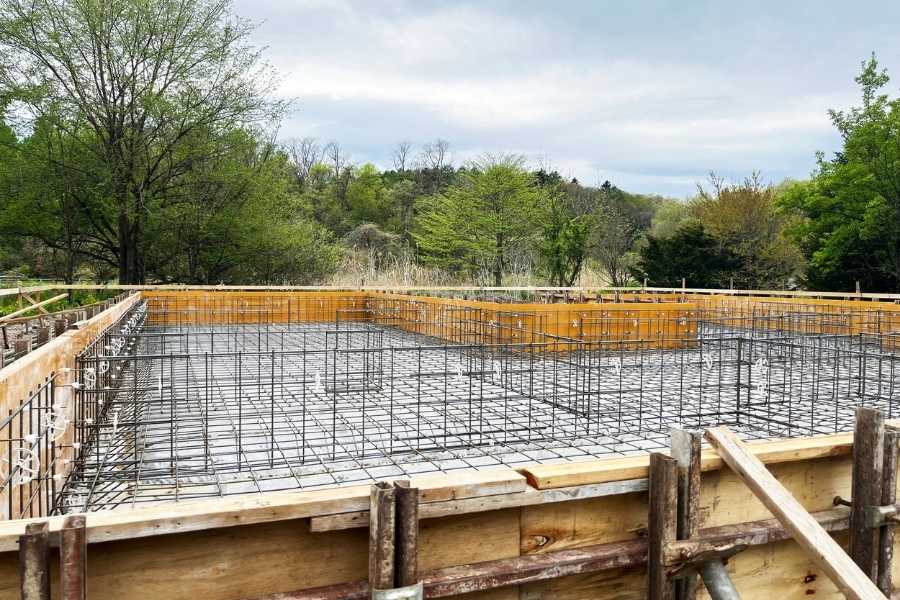
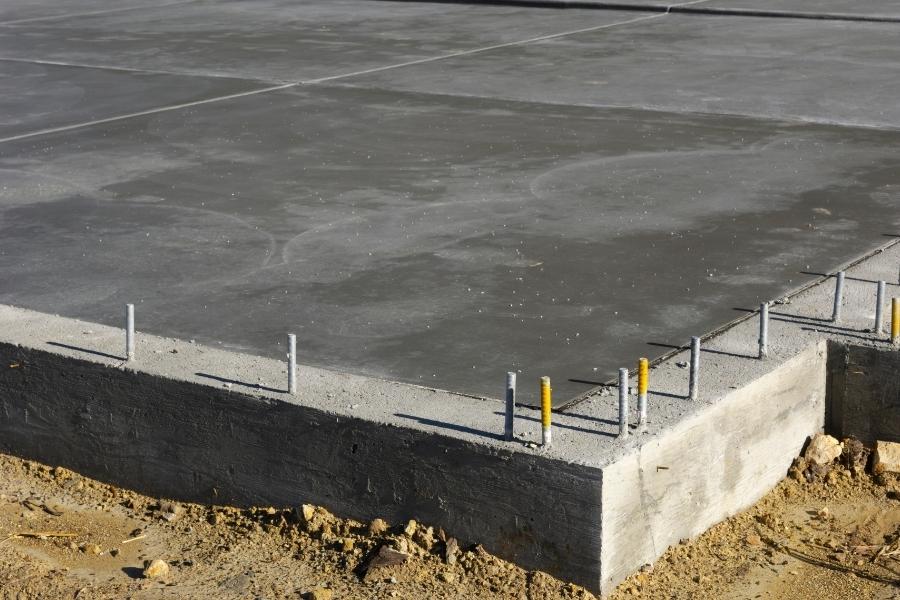
Slab foundations are common throughout Austin suburbs and often experience settlement caused by clay soil shrinkage. Push pier systems are frequently used for Slab repair projects where the concrete slab requires deeper structural support.
Pier and Beam Foundations
Older homes built before the 1960s often feature pier-and-beam foundations. These structures may require pier reinforcement or lifting techniques when settlement occurs.
Crawl Space Foundations
Crawl space foundations may require moisture control systems and structural stabilization depending on soil conditions.
Commercial Foundations
Commercial structures require heavy-duty stabilization systems capable of supporting larger structural loads. Push pier and steel pier systems are often used for these applications.
Our Foundation Repair Evaluation Process
Step 1: Foundation Inspection
Technicians inspect the foundation for cracks, settlement patterns, and elevation changes across the structure.
Step 2: Soil and Structural Analysis
Engineers evaluate soil composition and structural loads to determine the underlying cause of foundation movement.
Step 3: Repair Method Selection
Based on the inspection findings, engineers determine the most effective repair method for stabilizing the structure.
Step 4: Installation and Stabilization
The chosen repair system is installed to permanently support the structure and prevent future movement.
Trustindex verifies that the original source of the review is Google. Great Service!!Trustindex verifies that the original source of the review is Google. Quick and fast i reccomend thisGoogle rating score: 5.0 of 5, based on 7 reviews
Why Austin Property Owners Trust Austin Expert Foundation Repair
Austin Expert Foundation Repair specializes in stabilizing structures affected by Central Texas soil movement. Our team understands how expansive clay soils interact with seasonal rainfall and drought cycles.
We apply engineered foundation repair systems designed specifically for the soil conditions found throughout the Austin metro area. Every repair project begins with a detailed inspection and structural evaluation to determine the most effective repair solution.
Our goal is to restore structural stability while preventing future settlement.
Foundation Repair Methods Throughout Austin, TX
Austin Expert Foundation Repair serves property owners throughout the Austin metro area, including:
Round Rock
Cedar Park
Pflugerville
Leander
Georgetown
Bee Cave
West Lake Hills
Different neighborhoods experience unique foundation challenges depending on soil composition, elevation, and building age.
Foundation Repair Method Costs in Austin, TX
The cost of installing push pier systems varies depending on structural conditions and foundation size.
Typical cost ranges include:
Minor stabilization: $3,000 – $8,000
Moderate pier installation: $8,000 – $20,000
Major structural stabilization: $20,000 – $40,000
Factors affecting cost include soil depth, foundation size, accessibility, and severity of settlement.
Emergency Foundation Stabilization in Austin, TX
Severe foundation movement may require emergency stabilization to prevent further structural damage.
Emergency solutions may include temporary structural supports, rapid pier installation, or immediate crack sealing to prevent additional movement.
What are push piers foundation methods?
Push piers are deep steel supports installed beneath a foundation to stabilize structures experiencing settlement.
How do push piers stabilize foundations?
They transfer the weight of the structure to deeper soil layers capable of supporting the building.
Are push piers permanent solutions?
Yes. When installed properly, push pier systems provide long-term structural stabilization.
When are push piers recommended?
Push piers are commonly used when structures experience foundation settling caused by unstable soil conditions.
Can push piers fix a Sinking Foundation?
Yes. Push pier systems are frequently used to stabilize a Sinking Foundation and restore structural alignment.
If your property shows signs of settlement, structural cracks, or uneven floors, a professional inspection can determine whether push pier stabilization is necessary. Austin Expert Foundation Repair provides free foundation inspections to evaluate structural damage, analyze soil conditions, and recommend the most effective repair method for your property. Contact Austin Expert Foundation Repair today to schedule your inspection and protect your home from long-term structural movement.