
Foundation Settling in Austin, TX: Causes, Signs & Solutions
Foundation settling affects a large percentage of homes in Austin, TX, often appearing as uneven floors, sticking doors and windows, or cracks forming in walls and foundations. In Austin, Taylor Black Clay soil—a highly expansive clay found throughout the Blackland Prairie—creates unique conditions that make foundation settling especially common in both slab and pier-and-beam foundations. This soil shrinks dramatically during drought and swells when rehydrated, repeatedly changing the support beneath homes. Austin Expert Foundation Repair has repaired foundation settling throughout Austin and surrounding communities for many years, with deep experience addressing the local soil, climate, and construction factors that drive this issue.
What Is Foundation Settling?
Foundation settling occurs when a home’s foundation sinks downward due to changes in the soil beneath it. Homeowners often notice this problem through sloping or uneven floors, doors and windows that stick, or cracks forming where walls meet ceilings or floors. In Austin homes, foundation settling can develop gradually over years or accelerate rapidly after severe droughts or plumbing leaks.
Types of Foundation Settling
Uniform (overall) settling
The entire structure sinks evenly. This is less common and usually occurs soon after construction.
Differential settling
One portion of the foundation settles more than another. This is the most common type in Austin and leads to cracks, floor slopes, and structural stress.
Localized settling
Settlement affects a specific area, often near plumbing leaks, poor drainage zones, or large trees extracting soil moisture.
How Foundation Settling Develops
In Austin, foundation settling typically begins when soil beneath the foundation loses moisture and shrinks. As support becomes uneven, portions of the foundation drop, creating stress throughout the structure. Without correction, settling often worsens with each seasonal cycle.
Why Austin Homes Get Foundation Settling
Primary Cause: Taylor Black Clay Soil
Austin is built on the Blackland Prairie, where Taylor–Austin Black Clay dominates the soil profile. This expansive clay contains high levels of montmorillonite, allowing it to shrink up to 30% during dry conditions and swell significantly when saturated. The active soil zone typically extends 10–15 feet below ground, with eastern areas such as Pflugerville and Round Rock reaching depths of 20+ feet, while western areas have shallower clay over limestone.
The Settling Mechanism
The mechanism behind foundation settling in Austin follows a consistent pattern:
Drought → clay soil shrinks → soil pulls away from foundation → foundation loses support → differential settlement occurs
During severe droughts—particularly 2011, 2022, and 2023—Austin’s clay soil dries out and contracts. As the soil shrinks, voids form beneath foundations, reducing bearing capacity. Foundations do not settle evenly; areas with deeper clay, poor drainage, or nearby trees settle faster, creating differential movement.
When rains return, the clay rehydrates and expands. This expansion can partially lift some areas (heaving) while others remain settled, increasing structural stress. Over time, this repeated shrink–swell cycle leads to permanent foundation displacement.
Austin-Specific Evidence
Round Rock & Pflugerville: Deep clay deposits contribute to slab foundation settling in newer homes
Cedar Park & Leander: Rapid development over expansive clay increases settlement risk
Kyle & Buda: Clay-rich soils combined with drainage challenges accelerate settling
Tree influence: Mature live oaks can remove 100+ gallons of moisture daily, intensifying localized settlement
Secondary Causes of Foundation Settling
Plumbing Leaks
Slab leaks wash away supporting soil, causing sudden and severe settlement.
Poor Drainage
Standing water increases soil movement and weakens bearing capacity.
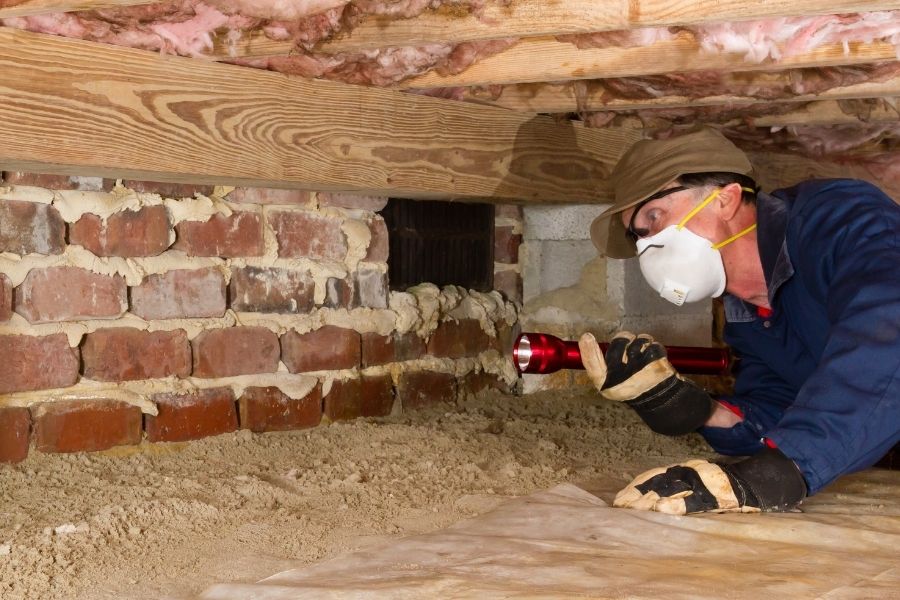
Signs of Foundation Settling in Austin Homes
Early Warning Signs
Slightly sloping or uneven floors
Small cracks near door or window corners
Doors or windows beginning to stick
Gaps between walls and ceilings
Advanced Symptoms
Floors noticeably out of level
Cracks wider than 1/4 inch
Doors and windows that will not close
Cracks at the foundation-to-wall junction
Austin Seasonal Patterns
Foundation settling in Austin typically worsens after summer drought and may partially stabilize during wetter winter months. Homes in Round Rock, Pflugerville, and Kyle often show more pronounced seasonal movement due to deeper clay.
Inspect foundations after extended droughts, major rain events, or if new symptoms appear.
When Is Foundation Settling Serious?
Minor Settling (Monitor)
Slight floor slopes
Hairline cracks
No functional issues
Common due to minor seasonal soil movement.
Moderate Settling (Schedule Repair)
Noticeable floor slope
Cracks widening seasonally
Doors sticking consistently
Professional assessment recommended.
Severe Settling (Immediate Action)
Floors out of level by 2+ inches
Structural cracks
Visible foundation separation
Requires immediate stabilization.
Active vs. Stable:
Mark cracks and measure floor levels. Worsening over time indicates active settlement requiring repair.
Trustindex verifies that the original source of the review is Google. Great Service!!Trustindex verifies that the original source of the review is Google. Quick and fast i reccomend thisGoogle rating score: 5.0 of 5, based on 7 reviews
How to Fix Foundation Settling in Austin, TX
Pier-and-Beam Foundation Repair
Used for pier-and-beam homes where individual piers have settled. New or reinforced piers restore level support.
Slab Foundation Repair
For slab foundations, stabilization may involve lifting and supporting the slab using engineered solutions.
Piering Methods
Steel or concrete piers are installed to transfer the foundation load to stable soil below the active clay zone.
Structural Repair
Severe settlement may require beam replacement, wall reinforcement, or engineered solutions.
Professional Assessment Required
Because Austin’s clay soil causes ongoing movement, foundation settling must be properly diagnosed before repair. Cosmetic fixes alone do not stop settlement.
Preventing Foundation Settling in Austin Homes
Maintain consistent soil moisture during drought
Improve drainage with gutters and grading
Manage large trees near foundations
Inspect annually, especially after summer drought
Address plumbing leaks immediately
Prevention reduces severity but cannot fully eliminate clay-driven settlement.
Foundation Settling Repair Cost in Austin, TX
Minor repairs: $2,000–$4,000
Moderate stabilization: $4,000–$8,000
Major structural repair: $8,000–$15,000+
Costs vary based on soil depth, foundation type, and accessibility. Early repair is significantly more affordable.
Foundation Settling in Austin-Area Neighborhoods
Round Rock
Newer slab homes over deep clay frequently experience differential settling.
Pflugerville
Very deep clay deposits cause recurring seasonal settlement.
Cedar Park & Leander
Rapid growth and expansive soil increase settlement risk.
Kyle & Buda
Clay-rich soils and drainage challenges contribute to slab and pier movement.
If you live in these areas, routine monitoring is especially important.
When to Call for Foundation Settling Inspection
Schedule a professional foundation inspection if you notice:
Uneven or sloping floors
Doors or windows that stick
Cracks widening over time
Gaps between walls and ceilings
Austin Expert Foundation Repair provides free, no-obligation foundation settling inspections throughout Austin and surrounding communities. Our specialists identify the cause of settlement and recommend long-term solutions tailored to Austin’s soil and climate.
Is foundation settling serious?
It can be. Minor settling is common, but progressive settling can cause structural damage.
What causes foundation settling in Austin?
Taylor Black Clay soil shrinkage during drought, plumbing leaks, and poor drainage.
Will foundation settling get worse?
Yes. Austin’s soil movement is cyclical and progressive.
Does insurance cover foundation settling?
Typically no, unless caused by a covered plumbing leak.
Can I sell a house with foundation settling?
Yes, but disclosure and proper repair protect value.
Should I repair foundation settling immediately?
Moderate to severe settling should be addressed promptly to avoid structural damage.
Foundation settling in Austin rarely corrects itself. Because expansive clay soil continues to shrink and swell with seasonal drought and rainfall, settling often worsens over time if left untreated. The most effective next step is a professional evaluation to determine whether your foundation settling is minor, active, or structural.
Austin Expert Foundation Repair offers free foundation settling inspections designed specifically for Central Texas homes.