
Foundation Waterproofing Methods in Austin, TX
Foundation waterproofing methods in Austin, TX are essential for protecting structures from moisture intrusion caused by the region’s expansive clay soil and seasonal rainfall patterns. Central Texas sits within the Blackland Prairie geological region, where Taylor Black Clay soil expands dramatically when saturated and shrinks during drought cycles. These moisture fluctuations create soil pressure around foundations that can force water into cracks, joints, and porous concrete surfaces. Austin Expert Foundation Repair provides advanced foundation waterproofing methods in Austin, TX designed to control moisture intrusion and protect foundations from long-term damage. Expansive soils, heavy rainstorms, and seasonal drought cycles create unique structural challenges across homes and commercial buildings throughout the region.
Why Foundation Repair Methods Are Essential in Austin, TX
Foundation damage in Austin is directly connected to the behavior of the region’s expansive clay soils. These soils react aggressively to moisture fluctuations, placing ongoing stress on residential and commercial foundations throughout Central Texas.
The Soil Challenge
Austin’s Taylor Black Clay contains high concentrations of montmorillonite minerals that dramatically expand when exposed to water. During extended droughts—such as the severe 2011 Central Texas drought—soil moisture levels drop sharply, causing the clay to shrink and pull away from foundation slabs.
Engineers estimate that this clay soil can shrink by as much as 30% in volume during prolonged dry periods. When heavy rainfall returns, the soil rapidly expands again. This continuous cycle of shrinkage and expansion creates movement beneath homes across the Austin metro area.
It is estimated that approximately 60% of homes in Central Texas experience some level of movement associated with expansive clay soil—making foundation damage one of the most common structural concerns in the region.
Structural Impact
As soil expands and contracts, pressure builds along foundation edges and beneath slab surfaces. This stress can cause cracking in concrete, uneven floor elevations, sticking doors, and separation along walls—common Foundation problems seen in neighborhoods throughout Austin.
Moisture infiltration further compounds the issue. Slab foundations in communities such as Pflugerville, TX and Round Rock, TX frequently experience moisture-related stress because they sit directly on highly reactive clay soil. Over time, repeated intrusion can weaken structural integrity and accelerate deterioration.
Why Specialized Repair Methods Are Needed
Because soil movement varies depending on drainage patterns, moisture exposure, and structural load distribution, repairs must be engineered specifically for each property. A properly designed Foundation Solution addresses not only visible cracking but also the underlying soil instability driving the movement.
Repair strategies may include pier installation, soil moisture control systems, drainage correction, or structural reinforcement. While the overall Foundation Cost depends on the severity of damage and stabilization depth required, addressing movement early is significantly more cost-effective than delaying repairs.
Given Austin’s challenging soil conditions, homeowners should work with a trusted Foundation contractor who understands Central Texas geotechnical behavior and can implement long-term stabilization methods rather than temporary surface-level fixes.
Complete Foundation Repair Methods in Austin, TX
Foundation movement in Austin is closely tied to expansive clay soil behavior. Because soil shrinkage and expansion affect structures differently, multiple engineered repair systems are used to restore stability and prevent recurring damage.
Foundation Lifting Methods
Foundation lifting methods are used when soil movement causes sections of a structure to sink or tilt. Hydraulic equipment carefully raises the affected portion of the foundation back toward its original elevation. Once the structure is lifted, stabilization supports are installed to maintain long-term balance.
In Austin, lifting is often required after prolonged drought cycles cause clay soil to shrink, leaving portions of slab foundations unsupported. This method is commonly applied to both slab-on-grade and pier-and-beam homes experiencing uneven structural settlement.
Foundation Waterproofing Methods
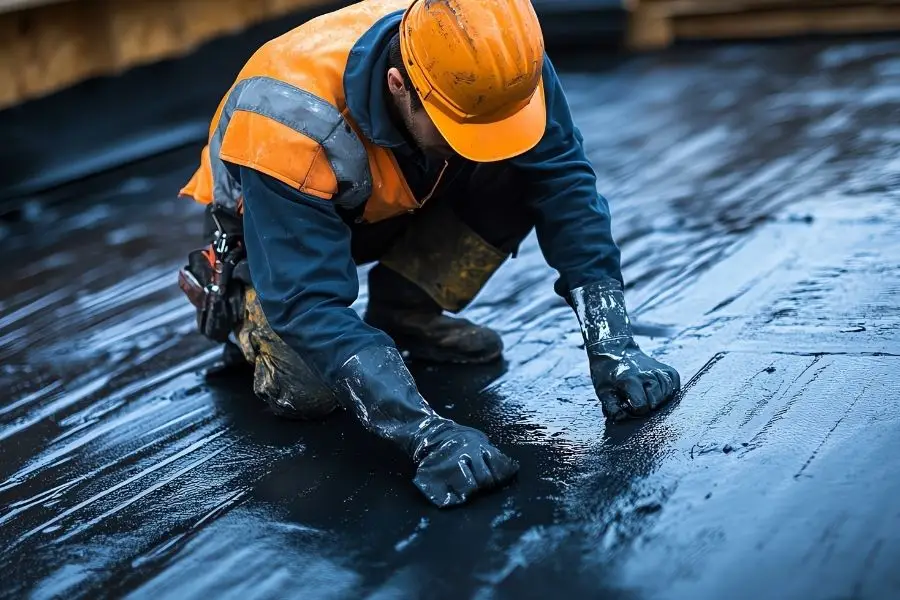
Foundation waterproofing methods are designed to prevent moisture intrusion that can weaken concrete and accelerate deterioration. Systems may include exterior membranes, sealants, drainage corrections, and moisture barriers that reduce hydrostatic pressure around the foundation.
In Austin, waterproofing is critical because heavy storms often follow extended dry periods. When soil becomes rapidly saturated, pressure builds around foundation walls. Without protection, moisture may enter cracks or joints, potentially contributing to issues such as slab leaks or a foundation leak that compromises structural integrity.
Waterproofing solutions regulate moisture around the structure, helping prevent long-term damage.
Foundation Crack Repair Methods
Foundation crack repair methods seal structural cracks and prevent water infiltration. Small cracks often develop when expansive clay soil exerts pressure against concrete during seasonal changes.
Common repair techniques include:
Epoxy injection for structural reinforcement
Polyurethane sealants for flexible waterproof sealing
Localized structural reinforcement for larger cracks
Addressing cracks early helps preserve stability and prevents moisture-related deterioration.
Helical Piers Foundation
Helical piers are deep stabilization systems that anchor foundations into stable soil layers beneath expansive clay. These steel shafts feature helical plates that allow them to be mechanically screwed into the ground.
Once installed, helical piers transfer structural weight to deeper, moisture-stable soil zones. This method is highly effective for both residential and commercial properties experiencing settlement caused by drought-related soil shrinkage.
Push Piers Foundation
Push piers are hydraulic stabilization systems driven deep into load-bearing strata. Installed beneath the foundation, they are often used to lift or permanently stabilize structures that have already experienced significant settlement.
Push piers provide strong, long-term support and are frequently recommended when structural movement has progressed beyond minor cracking.
Concrete Piers Foundation
Concrete piers are a traditional Texas stabilization method. This process involves drilling beneath the foundation and pouring reinforced concrete supports that extend below unstable clay layers.
Concrete piers distribute structural loads deeper into stable soil, offering durable support for slab foundations affected by soil movement.
Steel Piers Foundation
Steel piers are heavy-duty stabilization systems used when soil instability extends far below the surface. These piers are driven deep into stable strata capable of supporting large structural loads.
Because steel piers can penetrate greater depths than many other systems, they are often selected for severe settlement cases involving large residential or commercial properties.
Choosing the Right Foundation Repair Method
Different structural symptoms require different solutions.
Settlement Problems
Recommended methods include:
Push piers foundation
Helical piers foundation
Concrete piers foundation
These systems stabilize foundations by transferring structural weight to deeper, stable soil layers.
Water Intrusion Problems
Recommended methods include:
Foundation waterproofing methods
Foundation crack repair methods
These techniques reduce hydrostatic pressure and prevent groundwater infiltration.
Surface Cracking Problems
Recommended methods include:
Foundation crack repair methods
Foundation patching techniques
These repairs seal cracks and protect against further deterioration.
Foundation Leveling Problems
Recommended methods include:
Foundation lifting methods
Steel piers foundation
These solutions restore structural balance when sections of the foundation settle unevenly.
Trustindex verifies that the original source of the review is Google. Great Service!!Trustindex verifies that the original source of the review is Google. Quick and fast i reccomend thisGoogle rating score: 5.0 of 5, based on 7 reviews
Foundation Repair Methods by Foundation Type
Different foundation designs require different stabilization methods.
Slab Foundations
Slab foundations are common in Austin suburbs and often require pier systems or waterproofing systems to control soil moisture and stabilize settlement.
Pier and Beam Foundations
Older homes built before the 1960s often feature pier-and-beam foundations. These structures may require lifting methods or pier reinforcement to maintain structural support.
Crawl Space Foundations
Crawl space foundations are vulnerable to moisture buildup and often benefit from waterproofing systems and improved drainage.
Commercial Foundations
Commercial buildings require heavy-duty stabilization systems such as steel piers capable of supporting larger structural loads.
Our Foundation Repair Evaluation Process
Step 1: Foundation Inspection
Technicians evaluate visible cracks, structural movement, and elevation changes across the foundation.
Step 2: Soil and Structural Analysis
Engineers assess soil conditions, moisture patterns, and structural loads to determine the cause of foundation damage.
Step 3: Repair Method Selection
Based on the evaluation, engineers recommend the most effective repair method for the structure.
Step 4: Installation and Stabilization
The chosen repair system is installed to stabilize the structure and prevent further movement.
Why Austin Property Owners Trust Austin Expert Foundation Repair
Austin Expert Foundation Repair specializes in addressing foundation damage caused by Central Texas soil conditions. Our team understands how expansive clay soils interact with seasonal rainfall and drought cycles.
By applying advanced foundation repair systems designed for local soil conditions, we help property owners protect their structures from long-term structural damage.
Our approach combines detailed inspections, engineering-based repair planning, and proven stabilization techniques to deliver long-term results.
Foundation Repair Methods Throughout Austin, TX
Austin Expert Foundation Repair serves property owners across the Austin metro area, including:
Round Rock
Cedar Park
Pflugerville
Leander
Georgetown
Bee Cave
West Lake Hills
Different neighborhoods experience different foundation challenges depending on soil composition, elevation, and building age. Historic homes may require different repair approaches than newer residential developments.
Foundation Repair Method Costs in Austin, TX
Foundation repair costs vary depending on the repair method and structural conditions.
Typical ranges include:
Foundation crack repair: $500 – $2,500
Waterproofing systems: $2,000 – $8,000
Pier installation: $3,000 – $15,000
Foundation lifting: $5,000 – $25,000
Local cost factors include soil depth, foundation size, accessibility around the structure, and severity of structural damage.
Emergency Foundation Stabilization in Austin, TX
Severe foundation movement may require emergency stabilization to prevent structural collapse or extensive damage.
Emergency repair solutions may include temporary structural supports, rapid pier installation, or immediate crack sealing to prevent water intrusion.
Prompt action can significantly reduce the extent of structural damage.
What foundation repair method is best?
The best repair method depends on the cause of foundation damage and soil conditions surrounding the structure.
How do engineers choose a repair method?
Engineers evaluate soil composition, structural load, foundation type, and severity of settlement before selecting the appropriate repair system.
What are the strongest foundation repair methods?
Deep pier systems such as steel piers and push piers provide some of the most durable foundation stabilization solutions.
Are piers permanent solutions?
When properly installed, pier systems provide long-term structural stabilization.
What repair method fixes foundation cracks?
Crack repair systems such as epoxy injection or polyurethane sealants restore structural integrity and prevent moisture intrusion.
If you suspect foundation movement or moisture intrusion affecting your property, a professional inspection can identify the underlying structural issue. Austin Expert Foundation Repair provides free foundation inspections to evaluate structural damage, analyze soil conditions, and recommend the most effective repair methods for your property. Contact Austin Expert Foundation Repair today to schedule your inspection and protect your home or building from long-term foundation damage.