
Foundation Leak in Austin, TX: Causes, Signs & Solutions
A foundation leak in Austin, TX is a common issue homeowners face, often showing up as damp crawl spaces, water seeping through foundation walls, musty odors, or mysterious indoor moisture after storms. In Austin, expansive Taylor Black Clay soils, limestone bedrock transitions, intense drought-to-downpour weather cycles, and sudden Central Texas thunderstorms create unique pressure on foundations that leads to cracking, shifting, and water intrusion—especially in older slab and pier-and-beam homes. Local contractors estimate that 50–70% of homes in the Austin metro experience some form of foundation moisture or leak during their lifetime. While discovering water near your foundation can feel stressful, most leaks are very fixable when caught early.
What Are Foundation Leaks?
Foundation leaks occur when water penetrates your home’s foundation through cracks, joints, or porous concrete. Homeowners usually notice:
Wet spots on floors
Damp crawl spaces
Musty smells
Efflorescence (white powder on concrete)
Standing water after heavy rain
In Austin homes, foundation leaks typically show up in three forms:
Hairline Seepage
Thin cracks or porous concrete allow slow moisture entry. Usually minor and seasonal.
Active Crack Leaks
Water visibly seeps through vertical or diagonal cracks during rainstorms. Indicates foundation movement.
Structural Water Intrusion
Large cracks, joint separation, or gaps allow consistent water flow. Often paired with settlement or soil pressure problems.
Most leaks begin small. Seasonal soil movement widens cracks over time, turning occasional moisture into persistent problems. Identifying the type early helps determine the right fix.
Why Austin Homes Get Foundation Leaks
The Austin Connection: Clay Soil, Limestone & Water Pressure
Taylor Black Clay + Seasonal Moisture Swings (Primary Cause)
Austin sits between the Blackland Prairie and Edwards Plateau, dominated by Taylor-Austin Black Clay, a montmorillonite-rich soil known for extreme expansion and contraction. This clay can shrink up to 25–30% during drought and swell several inches when saturated.
The active soil zone often extends 10–15 feet deep, and even deeper in eastern suburbs like Pflugerville and Round Rock.
Here’s how this causes a foundation leak:
Summer drought → soil shrinks → foundation settles → cracks form → heavy rain returns → water flows through cracks → leak develops
During severe droughts like 2011, 2022, and 2023, clay contracts and pulls away from foundations, reducing support. When fall storms hit, soil rapidly rehydrates and expands, creating lateral pressure against foundation walls.
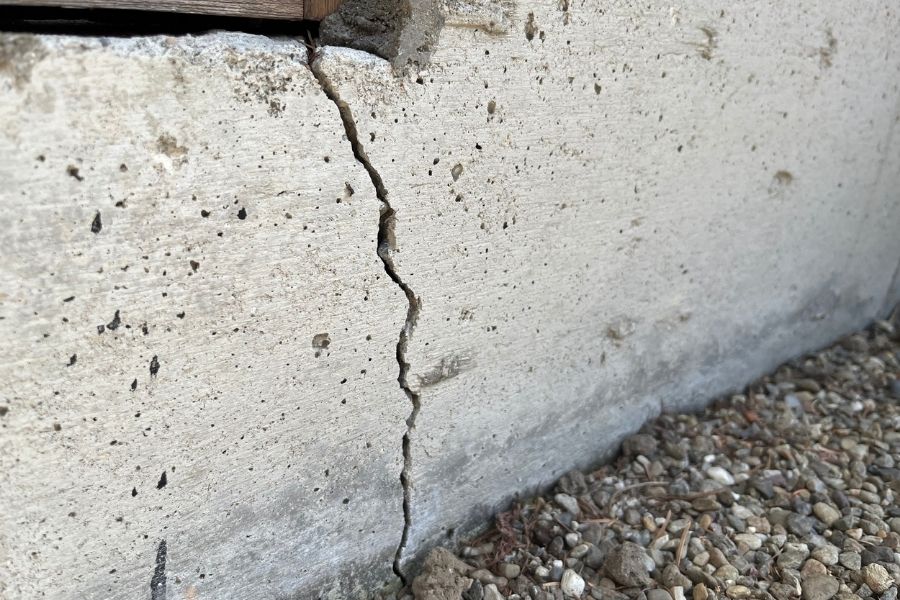
Concrete cannot flex. It cracks at stress points. Once cracks exist, Austin’s intense rainfall events—often 2–4 inches in a single storm—force water through those openings.
Slab foundations built between the 1960s–2000s and older pier-and-beam crawl spaces are especially vulnerable.
Secondary Cause: Flash Flooding & Poor Drainage
Austin experiences short, heavy downpours. Overflowing gutters and flat grading trap water near foundations, increasing hydrostatic pressure that pushes water through tiny cracks.
Secondary Cause: Plumbing & Freeze Events
The February 2021 Texas freeze caused many underground pipe ruptures. Hidden plumbing leaks saturate soil beneath slabs, softening support and increasing crack formation and moisture intrusion.
Signs of Foundation Leaks in Austin Homes
Early Warning Signs
Musty crawl space smell
Slight dampness after rain
White mineral stains on concrete
Minor interior humidity spikes
Progressive Symptoms
Visible water seepage
Mold growth
Wood rot or warped flooring
Interior wall bubbling or peeling paint
Increased pest activity
Austin Seasonal Patterns
Leaks often worsen during spring storms and fall downpours, especially after long summer droughts. Homeowners in Cedar Park and Round Rock commonly notice leaks immediately after the first heavy rain following dry months.
Inspect foundations after major storms and seasonal weather changes.
When Are Foundation Leaks Serious?
Minor (Monitor)
Damp spots only after heavy rain
Hairline cracks under 1/8 inch
No structural damage
Moderate (Schedule Repair)
Repeated water intrusion
Expanding cracks
Crawl space moisture or odors
Mold risk
Severe (Immediate Attention)
Standing water
Structural cracks wider than 1/4 inch
Wood rot or beam damage
Interior flooding
Active vs Stable
Mark crack ends. If they widen seasonally, the problem is active and requires repair.
Trustindex verifies that the original source of the review is Google. Great Service!!Trustindex verifies that the original source of the review is Google. Quick and fast i reccomend thisGoogle rating score: 5.0 of 5, based on 7 reviews
How to Fix Foundation Leaks in Austin, TX
Foundation Crack Repair
Epoxy or polyurethane injection seals foundation cracks and blocks water intrusion. Ideal for stable or small cracks caused by seasonal movement.
Typical cost: $500–$2,000
Foundation Waterproofing
Interior or exterior waterproofing systems redirect water away from the foundation using membranes, drainage channels, and moisture barriers. Especially helpful in clay-heavy Austin soils where water builds up quickly.
Typical cost: $3,000–$10,000+
Drainage Improvements
French drains, gutter extensions, and grading corrections reduce hydrostatic pressure around foundations. Often combined with waterproofing.
Professional Assessment
Most foundation leak in Austin, TX cases involve soil movement, not just surface cracks. Austin Expert Foundation Repair provides free inspections to determine the true source and recommend permanent solutions.
DIY sealants rarely last through Austin’s soil cycles.
Preventing Foundation Leaks in Austin Homes
Maintain gutters and downspouts
Extend drainage 5–10 feet away
Water soil consistently during drought
Keep large trees away from foundation edges
Seal small cracks early
Inspect crawl spaces annually
Seasonal maintenance makes a big difference in Central Texas.
Foundation Leak Repair Cost in Austin, TX
Minor repairs: $500–$2,000
Moderate waterproofing: $3,000–$8,000
Major structural + drainage: $8,000–$20,000+
Cost factors:
Clay depth
Crack severity
Drainage conditions
Accessibility
Early repairs are far cheaper than waiting for structural damage.
Foundation Leak in Austin Neighborhoods
Round Rock
Deep expansive clay and 1990s slab homes see frequent seasonal cracking.
Cedar Park
Rapid development over mixed clay/limestone creates uneven moisture retention.
Pflugerville
Very deep clay soils lead to extreme expansion and water pressure.
Georgetown
Older homes with aging drainage systems often develop crawl space leaks.
Monitoring is especially important in these areas.

Are foundation leaks serious?
They can range from minor moisture to structural damage. Early repairs prevent costly problems.
What causes foundation leak in Austin, TX?
Expansive clay shrink/swell cycles create cracks that allow water intrusion during storms.
How much does repair cost?
Most repairs fall between $500–$8,000 depending on severity.
Should I repair immediately?
Active leaks or widening cracks should be addressed quickly to prevent mold and structural damage.
Will leaks get worse?
Yes. Austin’s seasonal cycles usually enlarge cracks over time.
When to Call for Foundation Leak Inspection
Schedule a professional inspection if you notice: Damp crawl spaces, Water stains, Cracks widening and Musty odors.
Austin Expert Foundation Repair offers free, no-obligation inspections throughout Austin and nearby communities. We identify the root cause, stop water intrusion, and protect your foundation long-term.
Book your free inspection today and keep your home dry and secure.