
Foundation Repair Methods in Austin, TX: Complete Solutions for Every Foundation Type
Foundation repair methods in Austin, TX are designed to stabilize structures affected by the region’s expansive clay soil and seasonal moisture changes. Across Central Texas, the dominant Taylor Black Clay soil can shrink up to 30% during prolonged drought and expand dramatically when saturated after heavy rain. These soil shifts create movement beneath foundations, leading to settlement, cracking, and structural stress in residential and commercial properties. Austin Expert Foundation Repair applies specialized foundation repair methods in Austin, TX to address these soil-related challenges. Homes across the Austin metro area—including communities such as Round Rock, TX, Cedar Park, TX, and Georgetown, TX—commonly experience foundation movement caused by seasonal drought cycles, heavy rainfall events, and tree root moisture extraction. Our team works with slab foundations, pier-and-beam homes, crawl space structures, and commercial foundations throughout the region. Because each property experiences soil pressure differently, multiple foundation repair systems are used to restore structural stability. These methods range from crack sealing and waterproofing to deep pier stabilization systems that anchor foundations to stable soil layers.
Why Foundation Repair Methods Are Essential in Austin, TX
Austin’s soil and climate conditions make foundation movement one of the most common structural issues affecting buildings across Central Texas. The region sits within the Blackland Prairie geological formation, which contains expansive clay soils capable of significant volume change depending on moisture levels.
The Soil Challenge
Taylor Black Clay soil contains high concentrations of montmorillonite clay minerals, which expand when wet and shrink when dry. In extreme drought conditions—such as the historic 2011 Texas drought—soil moisture levels drop dramatically, causing clay soils to contract. Engineers estimate that Central Texas clay soil can shrink up to 30% in volume during severe dry periods.
Across Travis and Williamson counties, approximately 60% of homes experience some degree of foundation movement due to this soil behavior.
Structural Impact
When soil shrinks beneath a structure, foundations lose support and begin to settle unevenly. When heavy rain returns, expanding clay pushes upward against the foundation. This cycle of settlement and heaving places stress on structural components and can lead to cracks, misaligned doors, or uneven floors.
Slab foundations common in suburban neighborhoods like Pflugerville, TX often experience shrinkage cracks during summer drought conditions. Older pier-and-beam homes in historic districts such as West Lake Hills, TX can also shift due to moisture fluctuations beneath crawl spaces.
Why Specialized Repair Methods Are Needed
Because the causes of foundation movement vary, no single repair technique works for every property. Engineers must evaluate soil depth, foundation design, and structural load before selecting the correct repair method. Professional foundation repair methods stabilize structures by either sealing cracks, controlling moisture intrusion, or transferring structural loads to deeper stable soil layers.
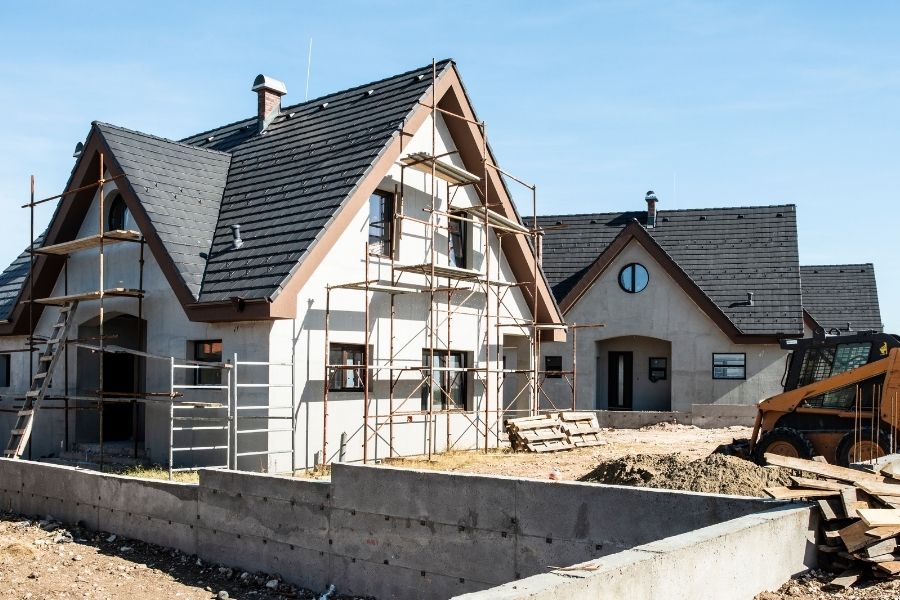
Complete Foundation Repair Methods in Austin, TX
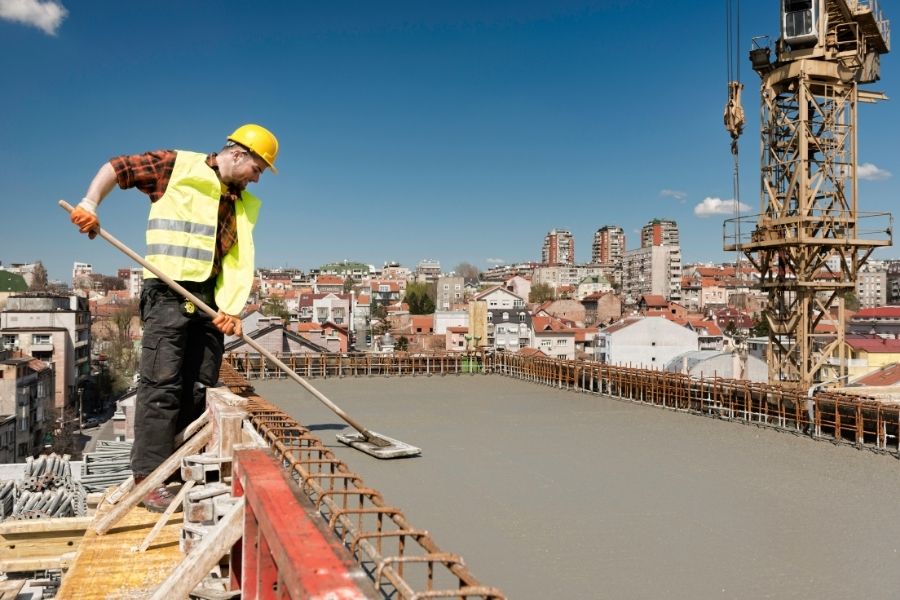
Foundation Lifting Methods
Foundation lifting methods are used to restore structures that have settled unevenly due to soil shrinkage or erosion beneath the foundation. This technique carefully raises the structure back to its original elevation using hydraulic equipment and structural supports. In Austin, lifting is often necessary when expansive clay soil contracts during drought, allowing sections of the foundation to sink.
Once the foundation is lifted to the correct level, stabilization systems such as piers or structural supports are installed to prevent future movement. This method is commonly used for slab foundations in suburban areas where uneven settlement creates sloping floors or visible cracks in walls.
Foundation lifting methods are particularly effective for homes built on expansive clay soils because they restore proper structural alignment while preventing additional stress on framing and interior finishes.
Foundation Waterproofing Methods
Foundation waterproofing methods are designed to prevent moisture intrusion that can weaken concrete and accelerate foundation damage. In Central Texas, heavy rainstorms following drought periods can saturate soil quickly, forcing water against foundation walls and slab edges.
Waterproofing techniques include exterior drainage improvements, moisture barriers, sealants, and protective coatings applied to the foundation surface. These systems prevent water infiltration that could otherwise expand cracks or deteriorate structural materials.
Properties located in low-lying areas of Austin and surrounding communities often benefit from waterproofing systems that redirect groundwater away from the structure. Waterproofing methods are frequently combined with other stabilization techniques to prevent recurring soil moisture fluctuations that contribute to foundation movement.
Foundation Crack Repair Methods
Foundation crack repair methods address structural and cosmetic cracks caused by soil movement, concrete shrinkage, or water intrusion. In Austin, many cracks appear during seasonal soil expansion cycles when pressure from swelling clay soils stresses the foundation.
Repair techniques vary depending on crack size and severity. Small cracks may be sealed with specialized fillers or epoxy materials, while larger cracks may require structural reinforcement. These repairs restore the integrity of the concrete surface and prevent water from entering the foundation.
Crack repair methods are commonly used in slab foundations where hairline cracks develop during drought conditions. Addressing cracks early helps prevent moisture intrusion and protects the long-term stability of the structure.
Helical Piers Foundation
Helical piers are deep foundation stabilization systems that anchor structures into stable soil layers beneath expansive clay. These steel shafts feature helical plates that allow them to be screwed into the ground using hydraulic equipment.
Once installed, helical piers transfer the structural load of the foundation to deeper soil layers that remain stable regardless of moisture changes. This method is frequently used for homes experiencing settlement caused by drought-induced soil shrinkage.
Helical piers are particularly useful in areas where surface soil is unstable but deeper soil layers provide sufficient load-bearing capacity. They are commonly used for both residential and commercial foundation stabilization projects.
Push Piers Foundation
Push piers are another deep stabilization method used to correct foundation settlement. Steel pier sections are hydraulically driven into the ground beneath the foundation until they reach stable soil layers capable of supporting the structure.
Once the pier reaches sufficient depth, hydraulic equipment lifts the foundation to its proper elevation before permanently securing the pier. Push piers are often used when significant settlement has occurred and deeper support is necessary.
This method is widely used in Central Texas where clay soils extend several feet below the surface and traditional shallow foundations cannot provide consistent support.
Concrete Piers Foundation
Concrete piers are a traditional foundation stabilization technique commonly used in Texas. This method involves drilling holes beneath the foundation and filling them with reinforced concrete to create structural support columns.
Concrete piers extend below the active clay soil zone to reach stable soil layers that are less affected by seasonal moisture changes. Once installed, they support the weight of the structure and prevent further settlement.
Concrete pier systems are often used for slab foundations experiencing uneven settlement across multiple areas of the structure.
Steel Piers Foundation
Steel piers are high-strength structural supports used to stabilize heavy foundations or buildings experiencing severe settlement. These piers are driven deep into the soil until they reach stable load-bearing strata.
Because steel piers can penetrate deeper soil layers than other systems, they are often used for large residential properties or commercial buildings. Once installed, they provide permanent structural support and can restore a foundation to its proper level.
Steel pier systems are especially effective in Central Texas where deep clay soil layers can extend well below the surface.
Choosing the Right Foundation Repair Method for Your Problem
Different foundation problems require different repair approaches.
Settlement Problems
Commonly addressed using:
push piers foundation
helical piers foundation
concrete piers foundation
These systems stabilize foundations by transferring structural loads to deeper stable soil layers.
Water Intrusion Problems
Recommended methods include:
foundation waterproofing methods
foundation crack repair methods
These repairs prevent moisture infiltration and protect concrete from deterioration.
Surface Cracking Problems
Minor structural cracks are typically repaired using:
foundation crack repair methods
surface crack sealing techniques
Foundation Leveling Problems
When uneven settlement occurs, engineers may recommend:
foundation lifting methods
steel piers foundation
These solutions restore structural alignment and prevent future movement.
Foundation Repair Methods by Foundation Type
Different foundations require different stabilization techniques.
Slab Foundations
Most homes in Austin use slab foundations. These structures often benefit from pier systems such as push piers or concrete piers to stabilize settlement.
Pier and Beam Foundations
Older homes built before the 1960s commonly use pier-and-beam foundations. These structures may require lifting methods combined with pier reinforcement.
Crawl Space Foundations
Crawl space structures are vulnerable to moisture buildup and may require waterproofing systems along with pier stabilization.
Commercial Foundations
Large commercial buildings often require steel pier systems capable of supporting heavier structural loads.
Our Foundation Repair Evaluation Process
Step 1: Foundation Inspection
Technicians evaluate structural movement, crack patterns, and elevation changes across the foundation.
Step 2: Soil and Structural Analysis
Engineers assess soil conditions and structural loads to determine the cause of foundation movement.
Step 3: Repair Method Selection
Based on the evaluation, the appropriate repair method is recommended.
Step 4: Installation and Stabilization
Repair systems are installed to stabilize the structure and prevent future movement.
Why Austin Property Owners Trust Austin Expert Foundation Repair
Austin Expert Foundation Repair specializes in addressing foundation movement caused by Central Texas soil conditions. Our team understands the behavior of expansive clay soils and how seasonal moisture changes affect structural stability.
We use advanced stabilization systems designed specifically for the soil conditions found across Austin and surrounding communities. Each repair project begins with a detailed inspection and engineering-based evaluation to determine the most effective repair method.
By combining local soil expertise with proven repair technologies, we deliver long-term structural solutions for residential and commercial foundations.
Foundation Repair Method Costs in Austin, TX
Foundation repair costs vary depending on the repair method required.
Typical ranges include:
Crack repair: $500 – $2,500
Waterproofing systems: $2,000 – $8,000
Pier installation: $3,000 – $15,000
Foundation lifting: $5,000 – $25,000
Cost factors include soil depth, foundation size, accessibility, and structural damage severity.
Emergency Foundation Stabilization in Austin, TX
Severe foundation movement may require emergency stabilization to prevent structural damage.
Emergency services may include temporary supports, rapid pier installation, or crack sealing to prevent further movement. Addressing urgent issues quickly helps prevent additional damage to walls, flooring, and structural components.
Foundation Repair Methods FAQ
What foundation repair method is best?
The best method depends on the cause of foundation movement. Engineers evaluate soil conditions and structural load before recommending stabilization systems.
How do engineers choose a repair method?
They assess soil composition, foundation type, structural weight, and severity of settlement before selecting the most effective solution.
What are the strongest foundation repair methods?
Deep pier systems such as steel piers and push piers provide long-term structural support for foundations experiencing settlement.
Are piers permanent solutions?
When installed correctly, pier systems provide permanent structural stabilization.
What repair method fixes foundation cracks?
Crack repair methods seal concrete fractures and prevent water infiltration.
What repair method stops water leaks?
Waterproofing systems and crack sealing methods prevent moisture intrusion.
Schedule a Free Foundation Inspection
If you suspect foundation movement or structural damage, schedule a professional inspection with Austin Expert Foundation Repair. Our team will evaluate your property, identify the underlying cause of foundation damage, and recommend the most effective repair methods.