
Foundation Problems in Austin, TX: Complete Guide to Identification & Solutions
Foundation problems in Austin, TX affect an estimated 60–80% of homes, ranging from minor cosmetic cracking to serious structural movement. Austin’s Taylor Black Clay soil, an expansive montmorillonite clay found throughout the Blackland Prairie, creates ongoing stress beneath homes as it shrinks during drought and swells during rainfall. Because of this constant soil movement, foundation problems in Austin are not a question of if they will occur, but when and how severe they become. Hydepark Foundation Repair has spent over 15 years diagnosing and repairing foundation problems across Austin—from historic pier-and-beam homes in Hyde Park to modern slab foundations in Mueller—providing location-specific insight reflected throughout this guide.
Why Foundation Problems Are Common in Austin, TX
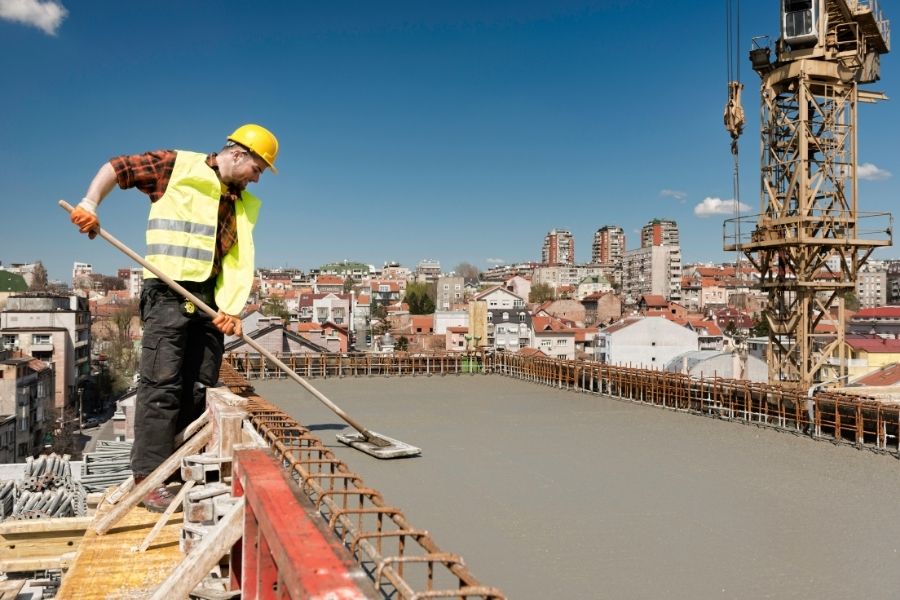
The Primary Cause: Taylor Black Clay Soil
Austin lies within the Blackland Prairie, where Taylor–Austin Black Clay dominates the soil profile. This expansive clay can shrink up to 30% during drought conditions and swell significantly when saturated. The soil’s active zone typically extends 10–15 feet below the surface, with eastern Austin neighborhoods experiencing clay depths exceeding 20 feet, while western Austin has shallower clay over limestone bedrock.
Unlike stable soils found in other regions, Austin’s clay soil is constantly changing volume. This movement transfers stress directly to foundations, regardless of construction quality.
How Clay Soil Movement Damages Foundations
During prolonged droughts—most notably 2011, 2022, and 2023—clay soil dries and contracts, pulling away from foundations and reducing soil support. When fall and winter rains return, the soil expands, pushing upward and sideways against foundation systems. This repetitive shrink–swell cycle creates cumulative damage:
Pier-and-beam foundations: Individual piers settle at different rates
Slab foundations: Cracks form and slabs shift unevenly
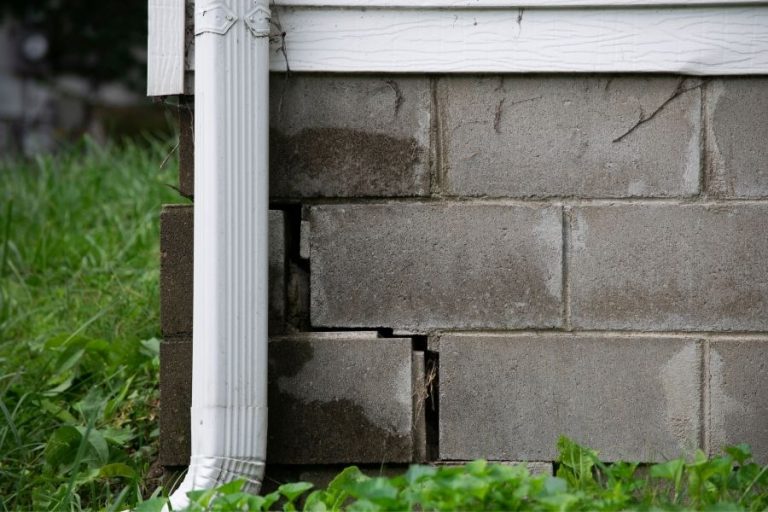
Concrete block foundations: Stair-step cracking and wall displacement occur
Because these cycles repeat every year, foundation problems in Austin are often progressive, worsening over time.
Austin-Specific Contributing Factors
Geographic variation: Eastern Austin experiences more severe movement due to deeper clay deposits
Building eras: Pre-1960 homes often lack modern soil preparation
Vegetation: Mature live oaks can extract over 100 gallons of moisture per day, intensifying clay shrinkage near foundations
Drainage patterns: Flash flooding followed by extended drought accelerates soil instability
Signs of Foundation Problems: What to Look For
Foundation problems in Austin typically present through a combination of visible, functional, and hidden symptoms.
Visible Signs
Cracks in foundation walls or slab floors
Interior drywall cracks above doors and windows
Exterior brick or masonry cracks
Gaps between walls, ceilings, or floors
Separation between chimney and exterior walls
Functional Problems
Doors or windows that stick or won’t latch
Sloping or uneven floors
Sagging or bouncy floor sections
Cabinets or countertops pulling away from walls
Hidden or Moisture-Related Issues
Water intrusion through foundation walls
Damp crawl spaces
Standing water near the home
Musty odors indicating moisture buildup
Seasonal Austin Patterns
Most homeowners notice worsening symptoms during late summer droughts and again after fall rains, when clay expansion resumes. Eastern Austin slab homes often crack, while central Austin pier-and-beam homes show sagging floors and pier settlement.
Common Foundation Problems in Austin Homes
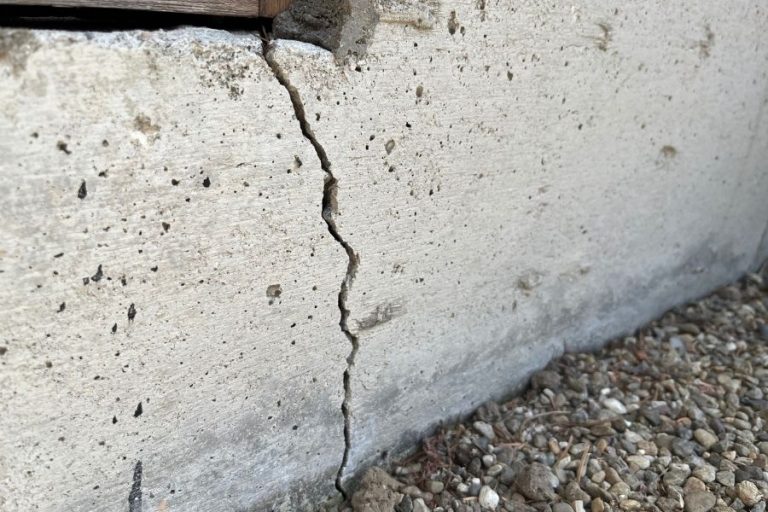
Foundation cracks are the most common foundation problem in Austin homes. Seasonal clay movement creates cracks ranging from hairline cosmetic issues to structural openings wider than 1/4 inch. Slab foundations often crack at stress points, while pier-and-beam homes show perimeter beam cracking.
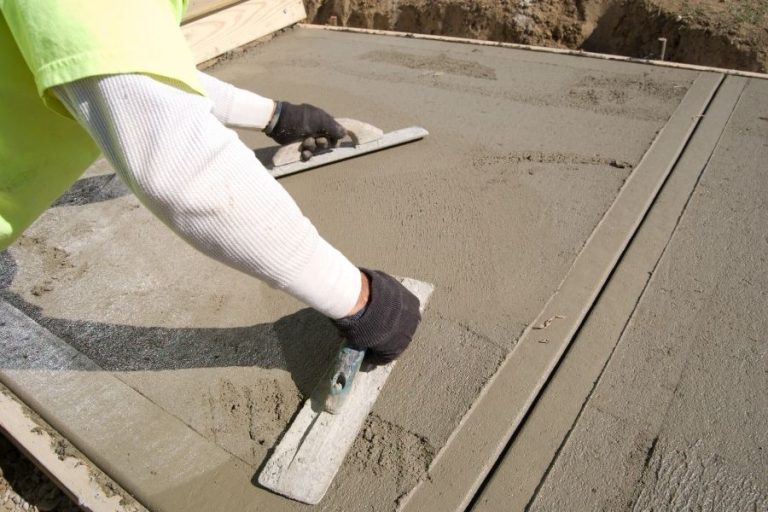
Foundation settling occurs when contracting clay soil loses its ability to support the structure evenly. In Austin, this commonly affects pier-and-beam foundations, where individual piers sink at different rates.
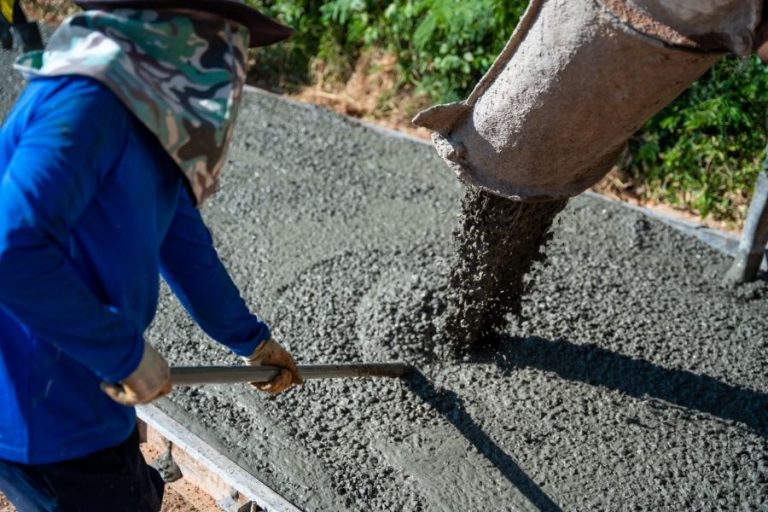
A sinking foundation represents advanced settlement with measurable vertical displacement. Homes in eastern Austin, where clay is deepest, are especially vulnerable.
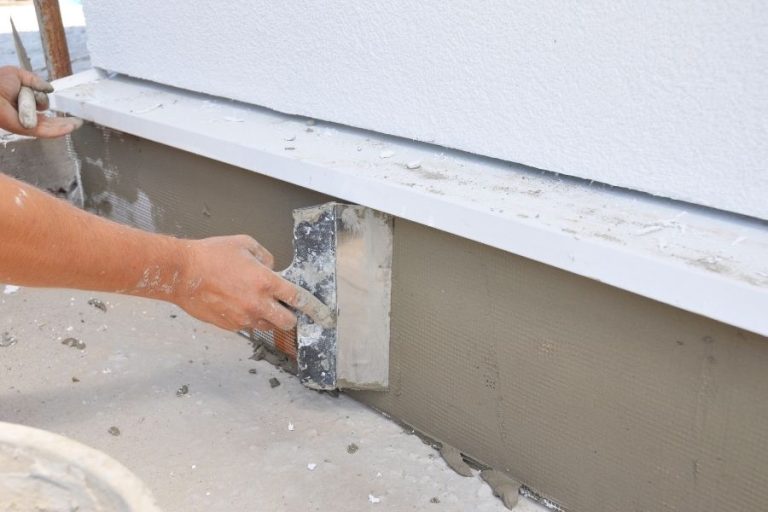
Slab leaks develop when plumbing beneath concrete slabs fails. In Austin, soil movement and aging pipes contribute to slab leaks that erode soil and worsen settlement.

Wall cracks may appear inside or outside the home and often accompany foundation movement. Horizontal or stair-step cracks can indicate structural stress.

Foundation heaving occurs when saturated clay expands and pushes the foundation upward, often following heavy rains after drought.
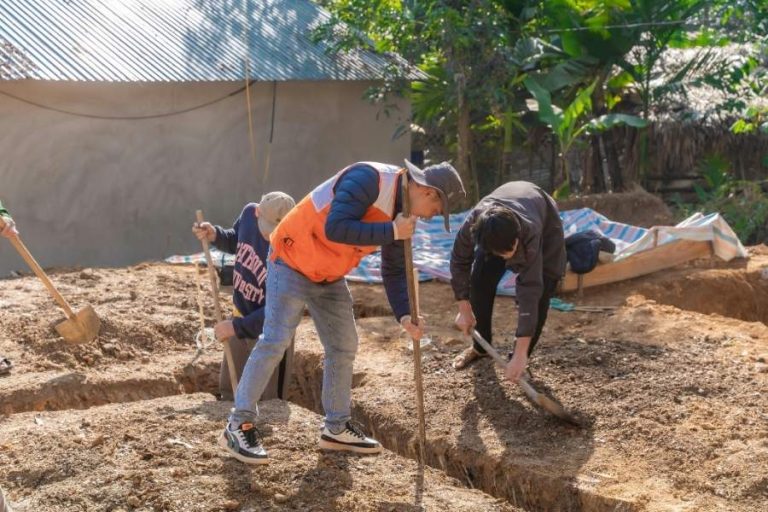
Bowing or leaning walls result from lateral soil pressure or moisture buildup, requiring structural reinforcement in severe cases.
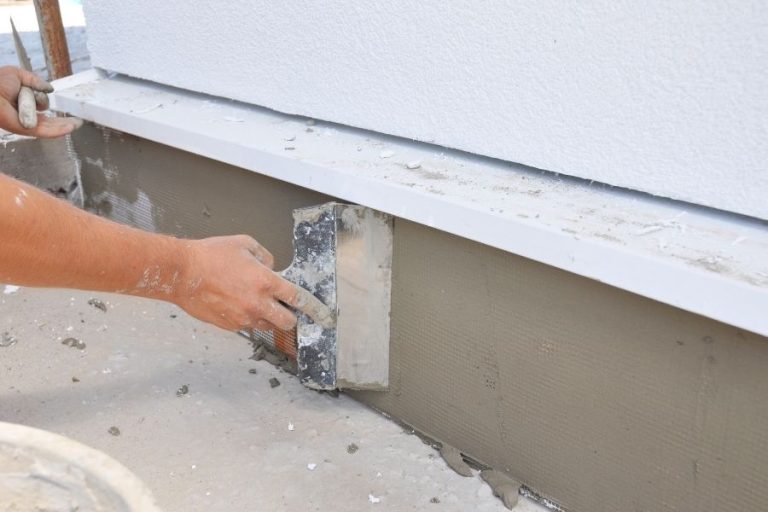
Sagging floors are common in older pier-and-beam homes where piers settle or beams weaken from moisture exposure.
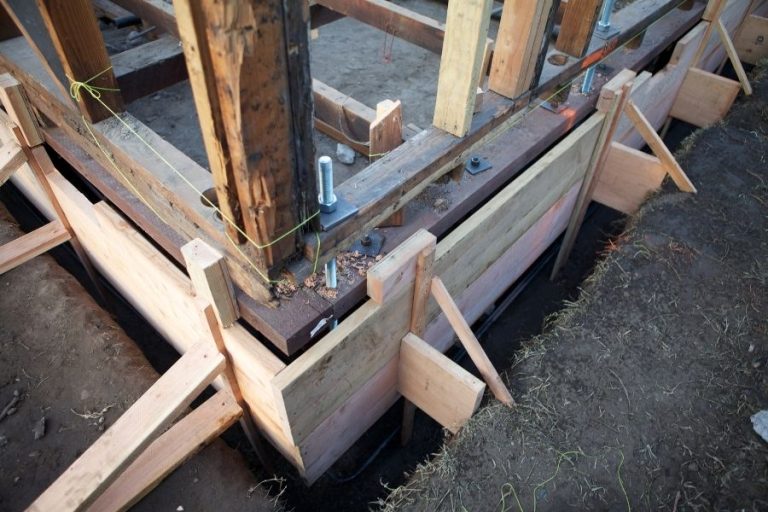
Foundation leaks stem from cracks, poor drainage, or grading issues and often worsen during Austin’s flash floods.
Uneven floors signal differential foundation movement and often accompany settlement or pier displacement.

Doors and windows that won’t close are often early warning signs of foundation movement during drought periods.
Visible gaps indicate long-term structural shifting, particularly in pier-and-beam homes.
Foundation Problems by Foundation Type
Pier-and-Beam Foundations
Common in pre-1960 Austin homes, pier-and-beam foundations are vulnerable to pier settlement, beam rot, and sagging floors due to clay movement and crawl-space moisture.
Slab-on-Grade Foundations
Slab foundations dominate post-1960 construction and are prone to cracking, settlement, and slab leaks caused by deep clay soil.
Concrete Block Foundations
Concrete block foundations may experience stair-step cracking and wall bowing from lateral soil pressure.
Foundation Problem Severity: When to Act
Minor Issues
Hairline cracks under 1/8 inch that remain stable are typically cosmetic. Monitor annually, especially after drought.
Moderate Issues
Cracks between 1/8–1/4 inch, sticking doors, or slight floor slopes warrant professional inspection.
Severe Issues
Cracks wider than 1/4 inch, horizontal cracks, or floors out of level by 2+ inches require immediate evaluation.
Foundation Problem Solutions in Austin
Foundation Stabilization: Pier systems extending to stable soil
Crack Repair: Epoxy or polyurethane injection
Structural Repair: Beam replacement, wall reinforcement
Waterproofing: Drainage and moisture control systems
Foundation Inspection: Accurate diagnosis
Preventing Foundation Problems in Austin
Homeowners can reduce severity by maintaining consistent soil moisture, managing drainage, extending downspouts, monitoring trees, and inspecting foundations annually. While prevention slows damage, it cannot fully stop clay-driven foundation movement.
Foundation Repair Costs in Austin, TX
Minor repairs: $500–$2,000
Moderate repairs: $3,000–$7,000
Major repairs: $7,000–$15,000+
Early repair almost always costs less than delayed stabilization.
Foundation Problems Across Austin Neighborhoods
Hyde Park: Historic pier-and-beam homes with pier settlement
Mueller: Modern slab homes affected by deep clay deposits
West Lake Hills: Shallow clay over limestone with unique repair challenges
East vs. West Austin: Eastern areas experience more severe movement
When to Schedule a Foundation Inspection
Schedule a professional inspection if you notice widening cracks, sticking doors, uneven floors, or rapid changes after drought or heavy rain. Preventive inspections are also recommended before buying or selling a home.
Foundation Problems FAQ
How common are foundation problems in Austin?
Foundation problems affect 60–80% of Austin homes due to expansive clay soil and recurring drought cycles.
What causes foundation problems in Austin?
Taylor Black Clay soil shrink–swell behavior, drought, heavy rain, plumbing leaks, and tree moisture extraction.
Are foundation problems serious?
Some are cosmetic, but others threaten structural integrity if ignored.
How much does foundation repair cost in Austin?
Costs range from $500 for minor repairs to $15,000+ for major stabilization.
Will foundation problems get worse over time?
Yes. Austin’s soil movement is cyclical and progressive.
Does insurance cover foundation problems?
Coverage is rare unless damage results from a covered plumbing failure.
Can I sell a home with foundation problems?
Yes, but disclosure and proper repair help preserve value.
How do I know if my foundation problem is urgent?
Wide cracks, horizontal cracks, or rapid changes require immediate inspection.
Expert Foundation Problem Diagnosis in Austin, TX
Foundation problems in Austin require professional evaluation to determine severity and long-term solutions. Hydepark Foundation Repair provides free, comprehensive foundation inspections across Austin, backed by deep local knowledge of Taylor Black Clay soil and Austin-specific construction patterns.
Call today or schedule your free inspection to protect your home’s structure, safety, and long-term value.